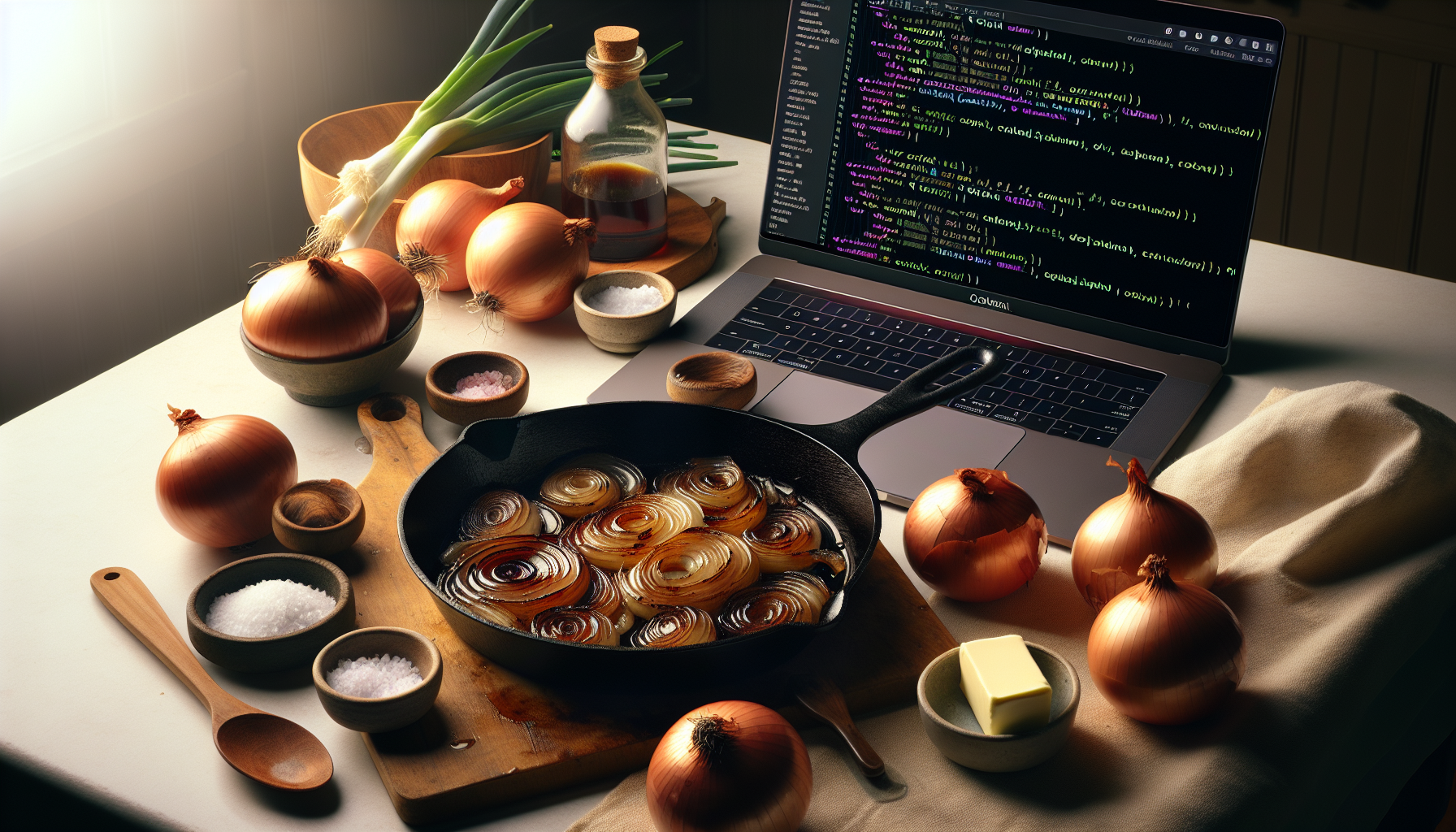
Cooks Illustrated delivers the rare shortcut that isn’t just marketing. The water-and-lid method speeds up the initial breakdown, then pivots to dry heat for proper browning. You see exactly how to avoid steamed-out, bland onions - this is a smarter, plausible path to midweek caramelization without sacrificing real flavor.

Fast-Track vs. Slow Burn: Caramelized Onions, Scrutinized
Caramelized onions are a detail that exposes the difference between surface-level content and clips built on tested kitchen insight. What actually sets apart a worth-your-time demonstration is specificity: method, timing, and the real markers of flavor, not just a pile of glossy onion strands. Cutting through the noise requires an eye for shortcuts that work versus ones that fake the results.
Chef Corey B is all about visual payoff: every transformation stage is on-screen and no step is skipped. Brown sugar and balsamic (or wine) aren’t just flavor boosts - they make the Maillard reaction work for you. Minor deduct for relying on background music over narration, but you get a transparent look at a flavor-first approach.
NYT Cooking’s hour-long walkthrough isn’t original in pace, but it’s exact in its logic. Disdain for baking soda and sugar hacks is justified and the visuals on caramelization states by minute offer you actual reference points. The storage breakdown and slicing insights add more than most print recipes.
Outdoor grill and cast iron bring a smokier angle, but the real value here is tight visual timing - the grill temp cues are concrete. While no advanced techniques, it’s practical and doesn’t detour into fluff or unnecessary props.
Mandolin slicing for uniformity is a pro move often omitted, and the high-then-low heat adjustment is correct. The ingredient and fat choices are tasteful, though the absence of real-time narration is a slight letdown. Still, it’s a clip you’d actually reference for both prep and finish.
Barefoot Mimosas goes off the standard path with water-bath canning - intentionally provocative, a nod to canning discourse rather than consensus safety. The prep and canning process is shown without condescension, and the clip is honest about controversy. It’s not for everyone, but if you care about preservation, this is worth your attention.
JalalSamfit integrates caramelized onions into a protein-rich meal prep, showing their role as a core flavor, not just a topping. It’s less about technique fidelity and more about application, but there’s value in seeing caramelized onions treated as a building block, especially for batch cooking.
Mythical Kitchen’s Josh Scherer is up front with his 15-minute claim - his compromise is honesty about what’s sacrificed. Sugar and high heat are used without apology, which gives you caramel color and some flavor, but the depth is clearly a step down from true low-and-slow. Still, if you want speed for a weeknight ramen, this is a defensible cheat.
Snacking Emily gets the French method right: covered early cooking, sherry, nutmeg, and scraping the fond. Her focus on aromatics and deglazing is what brings actual depth - this isn’t just another sauté. Her pledge to a series also implies sustained rigor, and the camera never lets you wonder what you’re missing.
Chino Cappucino’s accelerated method cuts time and is upfront about trade-offs: thinner slices, high heat, and relentless stirring. The result lands close to the mark - good flavor, if a bit brasher than the slow method. He doesn’t pretend the answer will please purists, but he shows you exactly what’s gained (and lost) at each stage.
Let’s Kwoowk documents the 90-minute journey in clear intervals, using butter and a little water without blurring steps. It’s long-form but focused, with exact shots of the color and texture you should see. A slight production lag, but the accuracy compensates for it.
This clip is off-target - dotenv and Express.js have no place in a conversation on caramelized onions. Including it only highlights the value of staying focused: unrelated content disrupts more than it adds.
What separates the best
Across these clips, two main philosophies clash: those who chase shortcuts and aren’t afraid to admit it, and those who insist that deep flavor is a matter of time and patience. The honest shortcuts - steaming with water, adding a pinch of sugar, or boosting with balsamic - can work if you understand what you’re sacrificing: complexity, subtlety, and layered flavor. The NYT Cooking and Snacking Emily clips are clear that short-order hacks will only ever approach, not equal, what patient heat can do. Meanwhile, the rapid-fire methods that document their process without embellishment offer their own value: you can see their results and decide if they meet your standards for flavor and tint.
A handful of creators go further: teaching slicing strategy (mandolin or along the fibers), integrating caramelized onions into composed dishes, or pushing into home canning, sparking debate around kitchen safety. The best clips cram visible progress or a sharp technique twist into every minute - no ambient music, no empty calories. Even when pushing limits or courting controversy, these creators are willing to show the cost of their choices, not just the supposed reward.
A kitchen skill only matters if you know what result you’re after. Whether you crave jammy, deeply bronzed onions or just want something brown and sweet for a burger, the best videos help you get there with your eyes open, not through wishful claims.
Try a slow, attentive caramelization first, but know when you want a shortcut and what you’ll give up by using one. Master this, and you’ll know how to flavor everything from soups to sandwiches on your terms.