What Actually Belongs in a Modern Spice Pantry?
spice pantry

What Actually Belongs in a Modern Spice Pantry?

The state of your spice pantry quietly shapes every meal you cook. The best clips don’t just rearrange jars – they solve real storage annoyances, improve access, and, most importantly, push you to question which spices earn valuable shelf space. Forget background ASMR or aesthetic filler; real value lies in clarity, specific tips, and visible results you’d want to replicate.

@Hani YouTube
Why this clip

Hani's approach covers the full spectrum – from decluttering chaos to a final, orderly spice drawer you’d actually want to use. The methodical breakdown, from emptying old jars to relabeling and rack installation, is refreshingly practical. No wasted steps; organization here exists for function as much as form.

@Kwokspots YouTube
Why this clip

Kwokspots skips around empty trendiness and delivers concise, opinionated advice on foundational Asian pantry items. The distinctions between soy sauces, oyster and fish sauce, and the realistic commentary on flavor and aroma cut through generic lists. A rare clip that actually makes you reconsider what deserves space in your pantry.

@Keep It Simple Sparkles YouTube
Why this clip

Three organizing products, each with a clear use-case, demonstrated without fuss. The creator gets the frustration of precarious stacking and actually tests solutions – from sliding racks to two types of turntables – all shown in real cabinets. Many 'tips' videos try to impress by sheer quantity; this one earns its spot by showing only what works.

@I-ZAY Home YouTube
Why this clip

Hidden sliding cabinets get plenty of hype, but this clip backs it up by revealing an all-in-one backsplash solution that doesn’t ruin a kitchen’s lines. You see the cabinet in use, open and shut, with every jar visible and accessible. No filler, just an effective demonstration of integrated design.

@KAI PROJECTS YouTube
Why this clip

If you want custom storage, KAI PROJECTS actually shows the hard bits: measurement adjustments, woodworking with templates, smart hardware like caster wheels, and slide installation in an awkward spot. The camera lingers where it matters – wood, screws, and the headaches, not just the Pinterest-ready after shot. This is valuable even if you never build it yourself.

@Hks Eats TikTok
Why this clip

Restocking a Masala Dabba becomes much more than pouring powders – we see washing, hands-on spice grinding, and sincere advice on affordable basics (skip the expensive grinder, use a $20 coffee model). The aroma of freshly cracked coriander nearly wafts through the screen, and the defense of whole spices feels earned, not performative.

@Sabrina Latoya YouTube
Why this clip

Sabrina Latoya makes a strong case for DIY labeling as more than just a weekend craft. The sequence from digital design, lamination, and precise cutting - down to the choice of paper - results in labels you’d actually trust through kitchen wear. The organized cabinet look is a bonus, but the real value is in the ground-up process.

@Problem Solved YouTube
Why this clip

Pragmatism wins here. Measuring, testing organizers before pulling labels, and the honest admission that alphabetical systems rarely hold up: this isn’t another recycled Pinterest-fantasy. The advice on using bins for hard-to-reach shelves and grouping by type will save you more time than restocking ever could.

@The Kitchen Guy TikTok
Why this clip

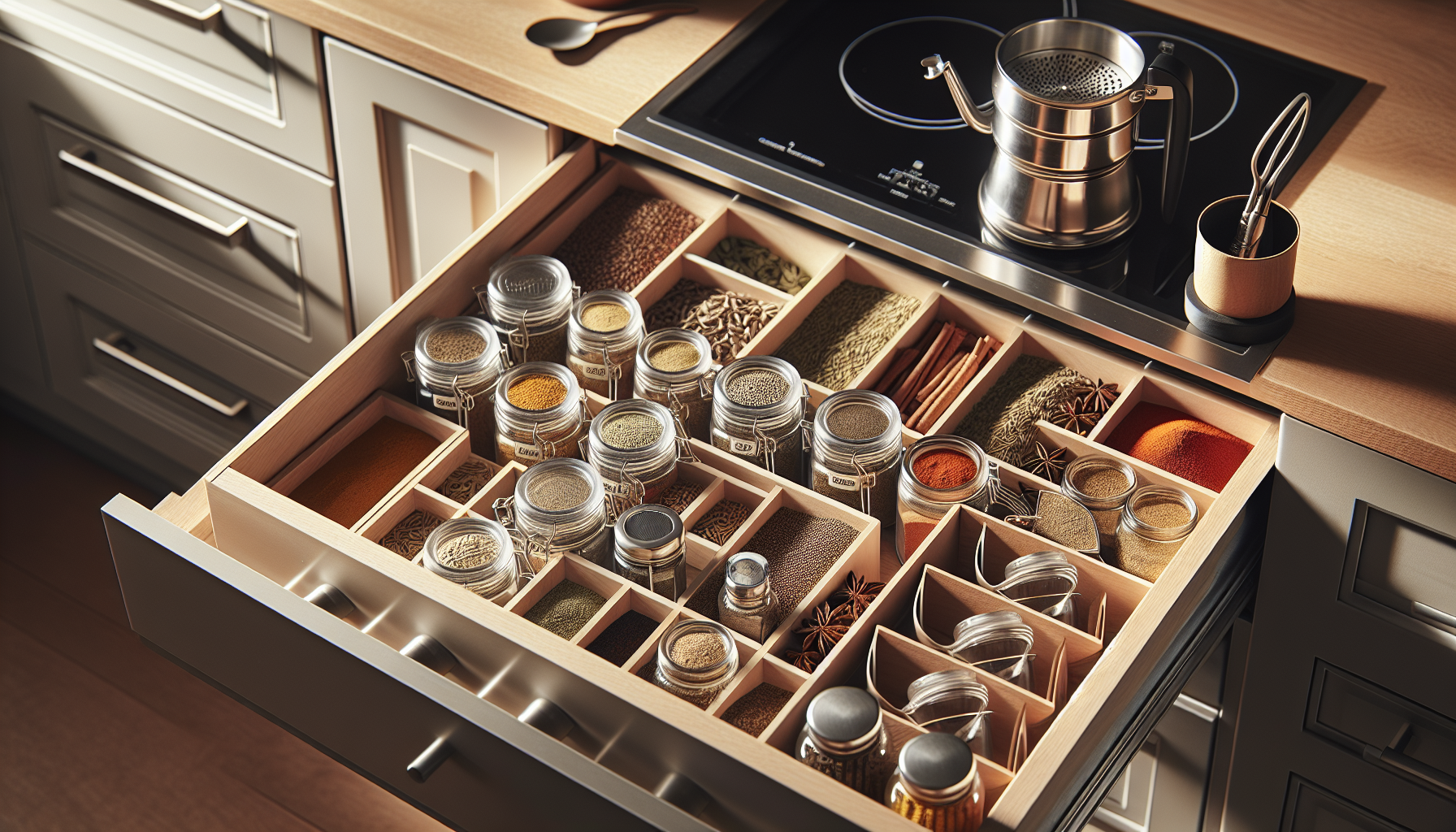
The Kitchen Guy prioritizes reach and efficiency. Built-in spice drawers aren’t novel, but his argument for placing them adjacent to the cooking zone is specific and rooted in daily workflow. Zero fluff, just a conviction that visibility equals use, and use is what prevents the graveyard of forgotten blends.

@Anika's DIY Life YouTube
Why this clip

Anika delivers woodworking for the spice-curious. The video calmly builds functional pull-out shelves step-by-step, avoids hardware confusion, and doesn’t gloss over mounting issues in narrow cabinets. The result: a previously 'useless' cabinet now pulls its weight - a rare case where a DIY actually solves a real problem.

@Stacey knight TikTok
Why this clip

Stacey knight champions the pantry habit that actually creates flavorful dinners: prepping house blends ahead. Recipe ratios are succinct, shown jar by jar, with labeling cues and a focus on why this saves time and cash. No hard sell on a unified aesthetic, just functional efficiency and flavor.

@serene_drift TikTok
Why this clip

Plenty of clips replay the 'spice makeover' template, but this one limits itself to pure visual satisfaction: slick glass jars staged on a two-tier shelf. The absence of narrative is a double-edged sword - pleasing for inspiration, but lacking in actual guidance. A decent motif to borrow, if you know what you’re doing already.

What separates the best

Great spice pantry content puts practical access and real-world needs ahead of empty aesthetics. It’s not hard to find beautiful jars or color-coded racks, but only a handful of creators show exactly which tools, layouts, or habits will permanently change your workflow. There’s a surprising consensus: function comes first. Decluttering and refilling mean little if your best spices are buried, your labels smear off, or your most-used blends live in the back row.

Asian and South Asian voices stand out for pushing the conversation beyond storage, into the realm of what deserves to be restocked or ground fresh. Meanwhile, both the best DIY builds and modular solutions focus on transforming awkward corners or cabinets into genuinely useful spaces - no wasted moves, no wasted ingredients. When a clip focuses solely on aesthetics, it risks sliding into irrelevance the moment a recipe demands real flavor or speed.

A worthy pantry isn’t just well-arranged; it’s filled with intention, clarity, and a dash of skepticism about space, function, and even which spices actually improve your food. The clips that earn repeated viewing don’t just teach you to copy; they change how you think about the storage, freshness, and daily retrieval of the only ingredients that never get swapped out last-minute.

Take a hard look at your current setup and fix the least accessible pain point first - be it jar clarity, blend consistency, or chaotic storage. How your spices are stored shapes what and how you cook, whether you’re hunting for gochujang or finally grinding whole coriander.