The Real Value in Pasta from Scratch: Precision, Variety, and a Little Mess
pasta from scratch

The Real Value in Pasta from Scratch: Precision, Variety, and a Little Mess

Making pasta from scratch is easy to fake on camera, which is why real detail stands out. The best clips blend unfiltered technique with specificity - ingredient ratios, kneading methods, rolling thickness. If a creator can’t justify why their dough works or skips over the resting stage, it shows. Substance is what matters, not a TikTok timer.

@Andy Cooks YouTube
Why this clip

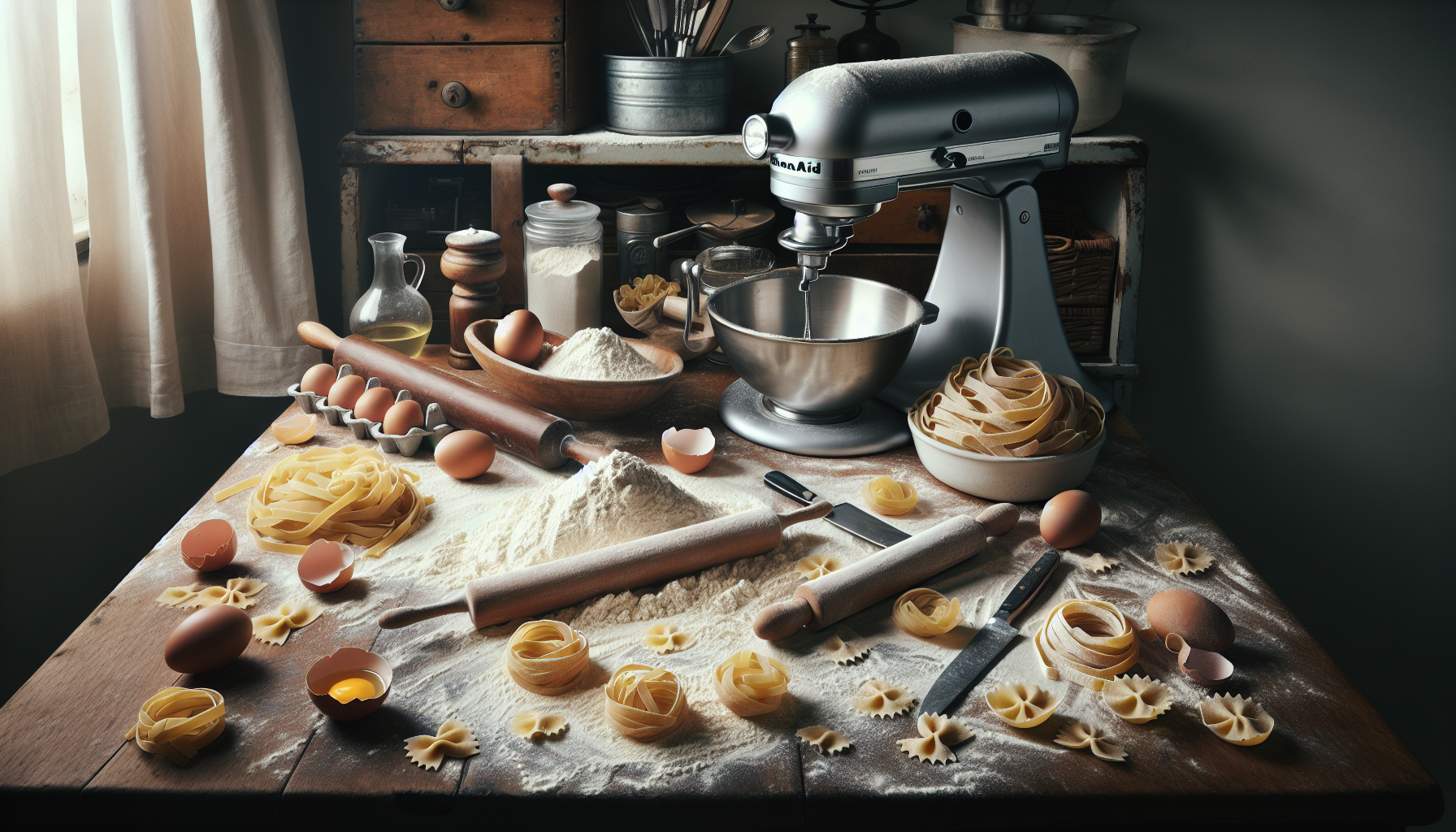
Andy Cooks doesn’t posture; he puts the KitchenAid front and center and proves why it matters. No dragging through the motions - he shows both paddle and dough hook in action, resting specifics, and the logic of each mechanical step. He’s not selling tradition, he’s making high-yield precision look practical.

@Nick's Kitchen YouTube
Why this clip

Nick's Kitchen approaches pasta with a methodical eye for detail: flour well accuracy, hydration tweaks, and a bench scraper for efficiency. He’s thorough and codes each move with a reason - no skipped steps, even down to grating cheese and finishing with sauce. There’s zero ambiguity for anyone actually trying to get better.

@Giulia Ardizzone YouTube
Why this clip

Giulia Ardizzone pares it back to absolute essentials - flour, eggs, hand kneading, fettuccine by knife. Where others might gloss over the crucial tactile moments, she keeps it tight and accessible. The edit wastes nothing, but you do leave wanting one more close-up of the kneading phase.

@Jamie Oliver YouTube
Why this clip

Jamie Oliver with Buddy gets away with playfulness because the ratio talk is there, and you see genuine technique: rolling, machine shapes, even farfalle by hand. The atmosphere skews homey, sometimes bordering on breezy, but the coverage - lasagna sheets to bowties - feels inclusive without drifting into puffery.

@harrisonwebb97 TikTok
Why this clip

Harrison Webb nails relatability without faking ignorance. Every gaffe (burned pin, lost eggs) lands as honest. Crucially, he shows tactile technique - folding, kneading, rolling by hand - plus a practical check for dough thickness. This is what beginners actually encounter, presented with just enough irreverence.

@chefs.vic TikTok
Why this clip

chefs.vic skips explanations and lets the hands do the work: five distinct shapes from semolina dough, each with its own logic. If you want to see real regional pasta shaping - the kinds you won’t find in standard cookbooks - this is the only clip that tries, and delivers, with clarity.

@chefroncooks TikTok
Why this clip

chefroncooks gives the most granular rundown for machine-free pasta. There’s a stepwise breakdown - ratios, kneading technique, dough tests - and, crucially, a translation of tactile cues into explicit directions. It’s a text-driven format, but that actually clarifies things for true first-timers.

@Bianca Bosso YouTube
Why this clip

Bianca Bosso targets solo pasta makers and doesn’t pad the demo with surplus. Measuring, kneading, rolling - all done by hand, nests formed, and a side-mention on resting that underlines the difference between pasta-shaped dough and something elastic. She misses a final boil, but the knife work on tagliatelle is spot on.

@homemakingwithlexi TikTok
Why this clip

homemakingwithlexi trades cinematic style for actionable edits - a single-serving dough, viewer-sourced tricks (oil, flour correction, covering), and cheese sauce build in real time. There’s a touch of indecision (macaroni dream dashed), but the kitchen workarounds ring true for small kitchens and solo cooks.

@Buona Pasta Club YouTube
Why this clip

Buona Pasta Club’s clip delivers pure instruction in miniature: a single egg, half a cup of flour, no pontificating. The rolling and folding process is brisk, so novice hands may need to rewatch, but the clarity on scaling down is welcome. It’s stripped to just the steps that matter.

@Kitchen_Uproar YouTube
Why this clip

Kitchen_Uproar is less polished - thinner audio, jumpy edits - but compensates with a good demo of rolling for evenness and trimming before slicing. There’s an emphasis on real hand work and dough thinness (transparent enough to see your hand), though ingredient cues fade out a bit fast for total beginners.

What separates the best

What separates the top of this list from the field is an almost physical presence: the best creators know you need to see and hear what the dough’s supposed to be doing at every point. There’s a recurring respect for proportion - the repeated 100g flour to 1 egg ratio - that delivers consistent, workable dough. The best entries don’t drown you in nostalgia or try-hard energy; instead, they document both the practical and the tactile. If a creator’s hand lingers to show what ‘elastic’ looks like, you can trust they’ve made real pasta off-camera, too.

Machine use splits the field. Andy Cooks owns his toolkit, turning the KitchenAid into an ally, while most others lean into tradition and either meticulously hand-roll or demonstrate regional shaping (chefs.vic), which is rare to see compacted into less than a minute. Text-driven formats (chefroncooks) help clarify steps for nervous first-timers, but the most visually literate hands - Giulia Ardizzone, chefs.vic, Bianca Bosso - let actions stand in for paragraphs. Meanwhile, variety matters: Jamie and Buddy cover more shapes in eight minutes than most channels manage all year.

By the time you hit the bottom of the list, either production or narrative gets flabby. Some clips try to be all things to all viewers or skip decisive moments for pacing. The result: you end up cross-referencing four short clips to answer a question the best video nails in one shot.

If you want hands that move confidently through dough, pick a single style and repeat it until kneading and rolling become second nature. Once you’ve mastered the basic ratio and thickness by sight, there’s nothing stopping you from venturing into regional shapes or machine territory. This is skill you can taste.