This is the purest and most precise Ramsay-style tutorial I've seen. The 'on-off heat' interval is presented with exact timing, not just hand-waving about cooking slowly. Cream is used surgically at the end to halt cooking - it's not just an enrichment. If you want a repeatable path to fluffy yet structured eggs, this is almost annoyingly methodical in the best way.

Scrambled Egg Methods That Actually Deliver
Perfect scrambled eggs are a classic test of kitchen judgment: the margin between luscious and rubbery is razor-thin. The internet is thick with glancing takes, but only a handful of clips teach more than vague platitudes. Technique matters more than anyone wants to admit, and real payoff lives in the details - heat control, finishers, even pan choice.
Neman delivers a clear argument for adding cream or milk and is refreshingly candid about ignoring Ramsay’s famous allergy to salt or dairy before cooking. The technique - aeration with a proper whisk, committed medium heat, and a precise finish - results in a crowd-pleaser scramble. The inclusion of pesto avocado toast is a bonus, but not a distraction.
This stands out for its scientific clarity. The starch slurry twist, borrowed from Hong Kong cafes, is a legitimately original solution to the age-old dryness problem. You get both the mechanics (quick hard cooking; immediate heat-off) and the why - egg proteins, water retention - which means you aren't just copying a recipe, you're building intuition.
A lesson in restraint. By skipping milk and water, then whisking until whites and yolks are fully unified, she proves you don’t need dairy for silkiness. Attention to cooking three-quarters of the way on heat and finishing off-heat shows technical control - a soft-set approach too often botched by impatience.
Mascarpone or crème fraîche as a finishing agent is clever - rich without the density of straight cream. The specificity around pan size and low heat is not filler; it really does control the quality of the curds. Bonus points for not being precious about finishing: tomatoes and ham if you want them, but the base technique stands on its own.
Almost a duplicate of the Instagram Ramsay tutorial, but the visuals lag just a bit. Still, the technique is sound: intermittent heat, constant agitation, and the double application of butter and cream. It nails consistency, but if you’ve already watched the top-ranked clip, this is more reinforcement than revelation.
A straightforward, visually clear run-through. No gimmicks, but nothing new: melt butter, stir on heat, serve. It’s the scrambled eggs your neighbor makes when they're paying attention, but not chasing restaurant-level results. Great for basics, but you’ll outgrow it quickly.
Jamie Oliver goes broad with three national styles - English, French, and American - making the textural contrast obvious. The benefit here is seeing how small tweaks (water bath, pan scraping, folding) yield drastically different results. The rapid whiplash between methods is a bit dizzying, but if you want context, this is your comparative survey.
Finally, someone browns the butter (beurre noisette) before adding eggs. It's a chef’s flex that pays off in flavor and adds a dimension most home cooks never consider. The off-heat finishing with crème fraîche is almost overkill, but for decadence, it's hard to beat.
Obsessive in the right way: Sillz hammers timing, pre-whisking, and even pan selection (cast iron, specifically). The advice on adding salt and cheese after pulling off the heat is minimal fuss for maximal improvement in both texture and taste. Clear warnings about overcooking and rubberiness are warranted - most of the internet needs to hear this.
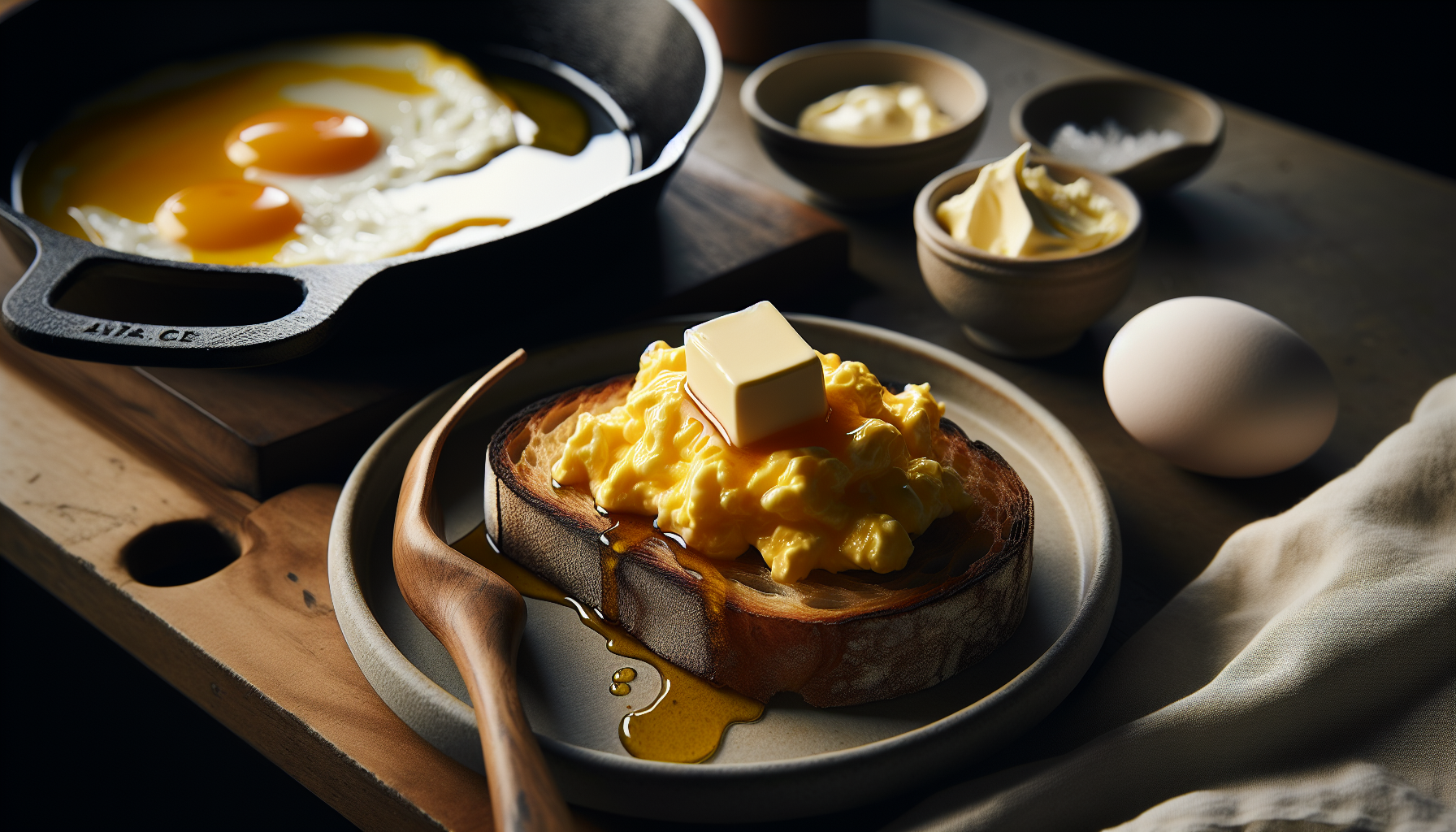
This cast iron approach is practical and forgiving. Turning off the heat as soon as the eggs hit the pan is a move that prevents disaster by design, not by luck. It’s made for anyone who’s ever scraped burned eggs off a skillet. The claim of non-stick eggs in cast iron actually holds up.
Water as the fluff-inducer instead of milk or cream is an under-appreciated move. The gentle folding - no frantic scraping or overbeating - keeps the curds light. For pure, straightforward eggs without fiddly extras, this is a reliable backbone for everyday cooking.
What separates the best
Reviewing the strongest clips, two factors separate forgettable results from destination-worthy eggs: heat management and finishing agents. Ramsay’s on-off heat method and its close cousins (seen in both the Instagram and YouTube tutorials) yield consistently soft, fluffy curds when followed exactly - which most clips gloss over. Meanwhile, ingredient purists reach for nothing but eggs and butter, building texture through technique alone; others upgrade richness with cream, mascarpone, or crème fraîche, always added at the end to lock in moisture without diluting flavor.
There’s real disagreement about timing: some salt before, some after; some whisk hard for aeration, some advocate gentle commingling. Cast iron gets a couple of defenders, but only when its temperature is tightly controlled - otherwise, it’s a recipe for heartbreak. And then there’s the wildcard: Hong Kong café passes, where science is the shortcut to consistent creaminess via starch and evaporated milk. The best tutorials explain why their steps work, not just what to do.
Ultimately, no one-size-fits-all method emerges. Choose the baseline: pure eggs and patience, dairy for indulgence, or starch-laced for sandwich fodder. The clips that stand out teach vigilance at the stove and an appreciation for the moment when just-set becomes overcooked - a lesson in restraint as much as in enthusiasm.
If you want to master one breakfast skill, make it the scramble. Get your technique consistent - then start improvising. What happens in the pan will teach you more about heat, timing, and control than any recipe ever could.