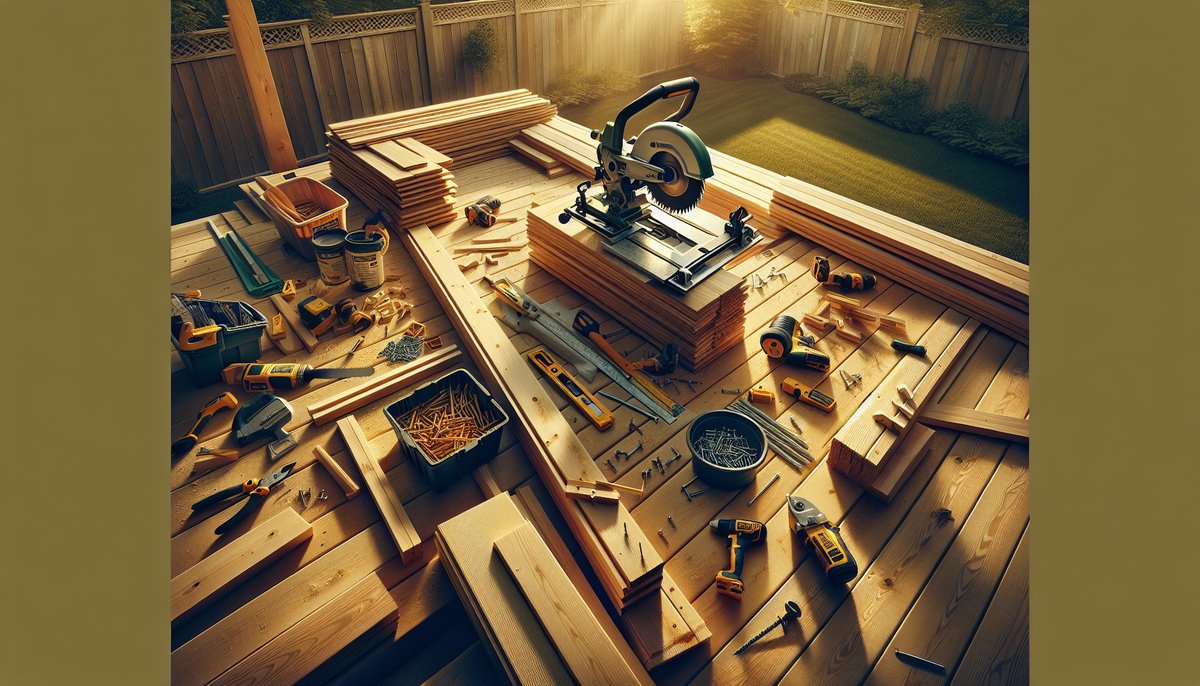
Perkins Builder Brothers lean hard into on-the-ground problem solving: planing down crown in pressure-treated lumber, using layout boards, and fixing dumfounding issues with girder flushness. It's more about solutions than finished product beauty shots - a welcome change.

Deck Building That Actually Teaches: Smart Technique In Short Clips
Most deck building clips online are a haze of time-lapses, shaky GoPro, and generic advice about ‘leveling your joists.’ What separates the worthwhile is specificity: you see the actual tools, the nuanced fixes, the why behind each move. Efficient builds and clever repairs outclass the evergreen ‘how to measure twice’ patter every time.
John Bilenki’s two-story deck sequence is dense with material value - real tips with visuals to match. He fixes a common rookie error by retrofitting joist hangers after the joists are set, a detail almost no one else shows. Between gravel compaction, meticulous post setting, and clean railings, the process is methodical. There’s no filler or overlong intros here.
AwesomeFramers uses PWT-treated LVL joists for a build with both speed and longevity. The sequence on blocking before layout is rarely spelled out this clearly. The use of specialized tools (Pica Dry marker, hurricane ties, G-tape) avoids the 'just hammer it together' vagueness of lesser clips. Sponsor mention is mercifully short - doesn’t dilute the information.
Designs by Donnie covers the full arc of DIY deck construction, but it’s the financial breakdown and framing-to-finish coverage that puts it ahead of influencer-fluff. He actually shows hidden fastener installation and how to build a picture frame border - details often skipped elsewhere. Some pacing bloat, but the specificity wins.
HAUS PLANS ®️ gets down to the gritty part most avoid: swapping rotten joists under existing decking, spiral nail removal with a Sawzall, crown-up joist replacements. Spare, fact-driven narration, with no magical editing trickery. The lesson on joist hangers alone is worth a rewatch.
The Deck Guy addresses a real community criticism and delivers: picture framing a deck, chalk-line guidance for the circular saw, actual miter joints, and straightforward screw spacing. Livestream energy, but focused - none of the 'here’s my kid carrying a board' padding common in the genre.
BYOT’s deck foundation walkthrough is exact: Sonotubes, adjustable post bases, and the all-important tip to treat every fresh cut. You get to see proper joist spacing and hurricane ties, not just lumber tossed down. This is foundational work without the usual cutaway skips.
Downes Construction highlights the little fixes - composite board notching for posts, hidden fasteners, and perfect symmetry in layout. The use of board spacers instead of squint-and-hope is a cut above. Less showmanship, more process.
MAYKA BEAUTY’s sub-$100 pallet deck doesn’t pretend it’s a heritage structure, but it’s honest about shortcuts and clever with spacing gaps for rain. If you want a ground-level hangout for one summer, this is both low-risk and instructive in cost-tracking.
Dan the carpenter man walks you through the anatomy of a floating deck - double beams, no ledger, with explicit blocking for cantilevers. No mysterious cutaways or 'after' reveals, just clear rationale for each structural choice.
Home Improvements & Horsepower demonstrates a diagonal seam in composite decking using a track saw and a string line. The clip’s strength is in the controlled precision and visual clarity, not just the finished look. For those chasing crisp geometry, it's more actionable than any drone flyover.
What separates the best
The high-ranking clips don’t start with a drone view - they get granular, fast. Joist blocking before nailing, notching posts for hidden fasteners, and pressure-treating fresh cuts: these are the habits that build structures which last longer (and look sharper). At their best, these creators expose what usually gets rushed or ignored - the problems that appear mid-build and the tools that actually solve them.
There’s a throughline: deliberate measurement, optimized sequencing (blocking before nailing, taping before install), and finishing details that aren’t just aesthetic but functional. Even the budget builds, like the pallet deck, have method - gaps planned for rain, costs accounted for up front. When creators gloss over troubleshooting or stick to paint-by-numbers instruction, the value drops.
Whether it’s correcting bad framing, fixing warped lumber, or making crisp seams in composite, the standout clips make every cut or fastening step transparent. The audience comes away with executable next steps, not just admiration or envy.
Practise the details shown in these clips - blocking, tape, precise spacing - on your next deck or raised platform. Skill at this scale pays off later, whether you’re building a stair, a railing, or a workaround for another trade’s mistakes.