Cultured Guru makes the microbe magic visible. Strong visual evidence - microscope shots, SCOBY handling - cut through the mystique, and the narration frames fermentation as much more than a food trend. The scientific context never feels preachy. This is a rare intro that manages to be poetic, precise, and concrete.

What Actually Works: Fermented Foods in Action
Fermentation is everywhere, whether you’re sipping kombucha, crunching real sauerkraut, or scowling at the back shelf of your fridge. The gap between clips that actually teach you how and why fermentation works versus those that just name-drop health buzzwords is wide. Genuine value comes when creators show you clear process, reveal underappreciated traditions, or drop technical detail - without dumbing it down.
Smt. Hansa Ji lays out the link between gut health and food in a way that’s unusually grounded: seven dishes, most with bona fide fermentation, and one fully-demonstrated traditional drink (Kaanji) that almost never gets this kind of coverage. Her practical advice isn't derivative, and she avoids generic probiotic claims in favor of specific foods and benefits.
Andy Cooks makes sauerkraut look exactly as approachable as it is. Every step from salting cabbage to choosing the right container gets its due, and he covers both traditional crocks and modern mason jar setups without turning it into a gear review. If you’ve been putting off your first ferment, this is the one to watch first.
Johnny Kyunghwo delivers what YouTube ‘tips’ videos almost never do: a real, testable solution for pressure management in fermentation jars. The technique is specific, useable, and rarely mentioned. No filler - just a loophole for safer, better ferments.
Joshua Weissman’s walkthrough of lacto-fermentation is a rare balance of scientific integrity and kitchen savvy. He tackles brine calculations with real numbers, fusses over weights, and - crucially - shows how to spot Kahm yeast from dangerous mold. Not everything is perfect, but he pushes beginners past ‘just dump salt in’ by openly addressing mistakes.
Lucy Makes nails the ‘how’ of real pickles - no vinegar shortcuts, just salt, water, and technique. She does more than walk through steps; she explains why you trim the cucumber ends, demonstrates spices for flavor, and reinforces the purpose of each action. The pace is brisk, but the fundamentals hit home.
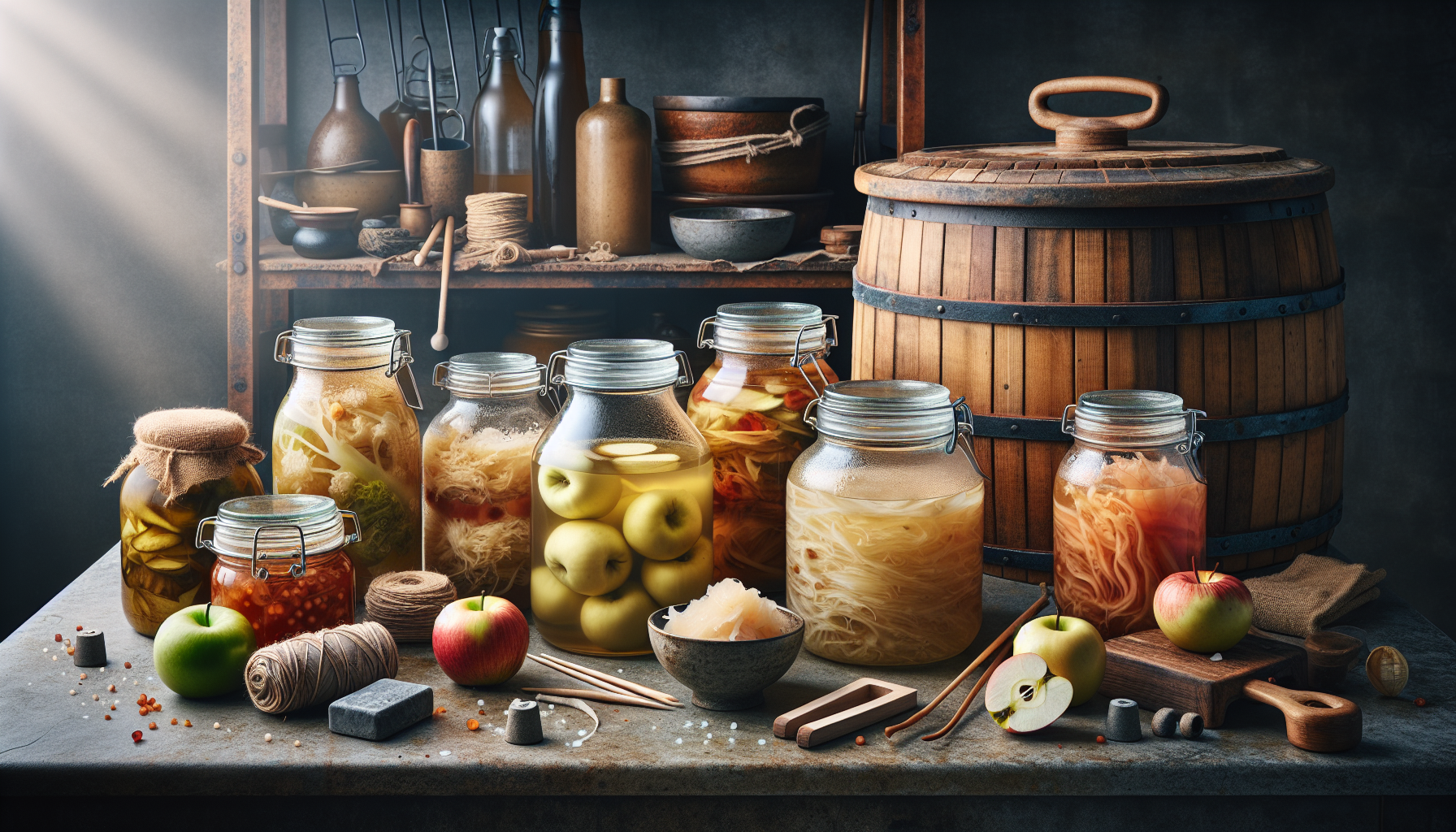
DishByDavid brings forgotten Eastern European apple ferments to life with texture, process, and a backstory missing from most TikToks. Yes, the audio markets a ‘system’, but focus on the technique: spiced, salted, whole apples in brine, grape leaves, and the brine as a side tonic. It’s a lost tradition shown with enough detail to inspire actual replication.
Dr. Sethi blends scientific overlays and dietary cautions in a format that respects the viewer’s desire for more than recycled health platitudes. His warning on vinegar-preserved pickles is both rare and specific, and the bacteria namedrops are backed up with just enough rationale for a health-focused audience.
Dr. Ruscio stands out for integrating research screenshots and comparison tables, actually helping you discriminate among yogurt, kefir, kimchi, and more - not just listing them. His acknowledgment of histamine and ‘quality product’ choices is the nuance sorely missing from most top-six lists. Less process, more decision-making roadmap.
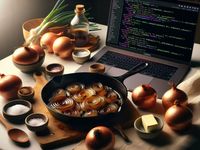
FarmSteady leans into the visual: you see every gesture in the red onion ferment, from salting to the airlock lid. This is process without chatter, making it instantly accessible, even if the narration is non-existent. A clip for people who don’t want to listen, just copy exactly what they see.
Kirsten Kaminski’s angle is sociological as much as technical: the loss of live-culture foods through pasteurization and shelf-stabilization. The hands-on demo covers multiple ferments, but what really lands is her pushback against ‘germophobia’ and the important distinction between pickle jar and pickle fraud. Slightly diffuse, but memorable.
What separates the best
What actually separates these clips isn’t surface-level production value or influencer energy, but a willingness to show the true mechanics (fermentation weights, brine math), dig into traditions beyond kombucha, and call out both the promise and myth of ‘probiotic’ foods. One set of creators - the likes of Cultured Guru and Lucy Makes - make you want to try the process because they demystify every step. Others, like Smt. Hansa Ji and Drew in Aichi, remind you that fermented foods are living traditions tied to health, identity, and even seasonality, not just wellness buzzwords.
The best health-focused explainers actually name the bacteria, point to peer-reviewed context, and, crucially, tell you what not to do: Dr. Sethi’s cancer risk warning, Dr. Ruscio’s nuance on histamine. Meanwhile, process-heavy creators fill in what those health explainers typically leave out: how to keep pickles submerged, prevent jar explosions, or recognize the difference between microbiologically alive and supermarket-dead. Together, they close the gap between ‘why’ and ‘how’.
No one clip does it all - so it pays to graze widely. Ignore content that waves the word ‘ferment’ as a badge without showing their hands or their jars. The more precise and specific the details, the more likely you’ll get a result worth your time - and taste.
If you’re serious about fermented foods, test what you learn on your counter. Try a vegetable you haven’t before, or use a technique you picked up here that wasn’t part of your status quo. Once you’ve worked through a real ferment, both process and microbes start to make sense - and supermarket shortcuts lose their appeal.