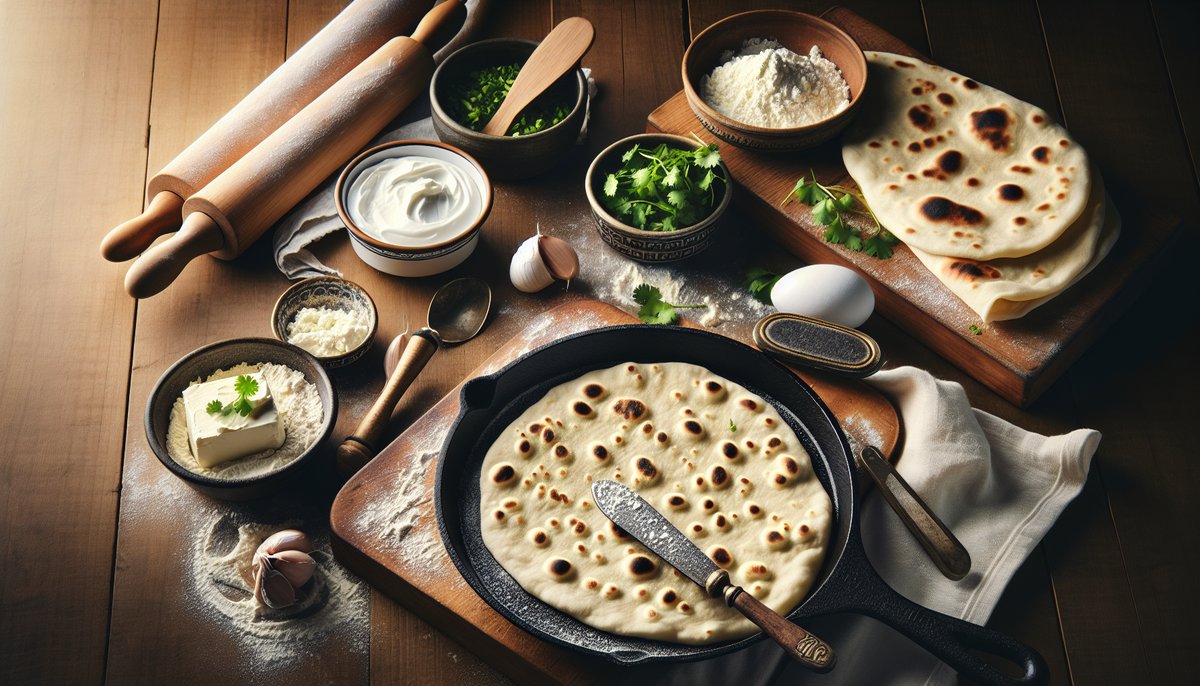
Nick DiGiovanni sets the pace for what homemade naan videos should deliver: a proper flour well, a patient knead, and a generous garlic butter finish straight out of the skillet. The video lingers on hand technique where others would cut away - rolling, shaping, and topping, all mapped out. The step-by-step pacing is exact without becoming tedious. If you follow this, you’ll actually learn how dough should feel under your hands.

Homemade Naan: Precision vs. Shortcut in the Modern Kitchen
Homemade naan can be an eye-opener if you’ve only had it from takeout bags or the supermarket bread aisle. What you want from a video is more than vague encouragement - distinctive tricks, clear visuals, actual dough handling, and a finish that shows the naan’s texture, not a quick cut to a beauty shot.
My Nguyen’s version is a workhorse. She doesn’t merely say 'knead' - she tells you to stick with it for 15 minutes if you’re without a stand mixer, no shortcuts masked as hacks. The separate cilantro-garlic oil gets its own treatment, which is rare and, frankly, necessary if you care about actual flavor vs. background greasiness.
Sara from Nutrient Matters quietly flexes by layering a stand mixer knead with two distinct dough rests and an essential cover step to keep the naan pillowy. Small details - like adding oil to the dough mid-way - might get lost elsewhere but genuinely change the finished bread. For those who want method over haste, this is the honest approach.
The Cooking Foodie relies on sharp visuals and close-ups, making every step watchable rather than just present. The garlic-coriander focus keeps things classic, but the clarity comes from not skipping over tactile details: kneading, rolling, and even the sizzle in the pan.
Savor Easy values clarity above all, with every measurement and procedure spelled out by text overlay and actual demonstration. The final naan is properly blistered and brushed, not just given a passing shot. For visual learners, this format rarely fails.
Ly’s concise format strips naan to its core: proper proofing, a second rest, and a no-nonsense, hands-on approach. You’ll see the literal difference in softness; the video doesn’t just call it 'fluffy', it shows why. The butter-parsley finish is function, not garnish.
Chef Billy Parisi’s oven-light proofing tip feels like a true home cook’s solution, and he’s direct about dough hydration and mincing garlic with a press for maximum flavor release. The home stovetop method is practical - and the step-by-step makes sure you don’t miss those key tactile cues.
Yanashaskitchen’s ‘protein naan’ isn’t traditional, but the demonstration of Greek yogurt’s impact on texture plus visible hand mixing and dough stretching is persuasive. The tawa pan is a nice touch for home cooks wanting options beyond a skillet.
Connie Homayed Kazan speeds things through a stand mixer and brief proof, which is efficient, though it does trade depth for a faster pace. Garlic and parsley get mentioned but deserve a clearer spotlight; good for a weeknight, but skip if you want deep structure.
Platterbyv’s version covers the essentials without overwhelming on detail, but offers well-documented steps with visual clarity. The dough handling - shaped, rolled, and cooked in visible sequence - keeps this reliable for visual reference, even if it doesn’t fuss with elaborate flavoring.
Jessica Gavin centers her video on rolling and skillet technique, which is a strong choice for viewers focusing on the cook rather than the mix. There’s less on the dough-making end, so come with that knowledge in hand. Her garlic butter finish, though basic, does what it should: coat without soaking.
KausCooks’ mini naans cross into snack territory with a chicken tikka and cheese filling. The two-ingredient dough is clever for speed and protein, and the dry-frying is explained, but you’ll need to already know how to handle soft doughs - there’s less on correction if things go off-script.
What separates the best
Across these clips, the difference shows in where the creators linger: dough work is either the centerpiece or an afterthought. Top videos hold your attention on kneading, proofing, and shaping - not just for spectacle, but so you know what your own dough should look and feel like. Those who skip straight to rolling or focus on finished bread lose the formative details, especially for home cooks chasing softness and flavor rather than just a round shape.
When it comes to flavor, the best clips separate the process for garlic or cilantro oil, treating aroma and texture as non-negotiable, not as a throwaway at the end. You’ll notice the outliers with non-traditional builds - protein naan, stuffed mini naans - but even there, the creators show you how to handle a dough that’s a little different under your hands. Visual clarity tops everything: close shots, clear hands, and no cuts away from the main action. Skip videos that only celebrate the finish; the revealing step is always in the work before the pan.
Master dough feel and don’t skimp on kneading or resting time - everything else is window dressing. Once you know what a well-proofed, well-cooked naan looks and feels like, you’ll see through shortcuts in every future recipe.