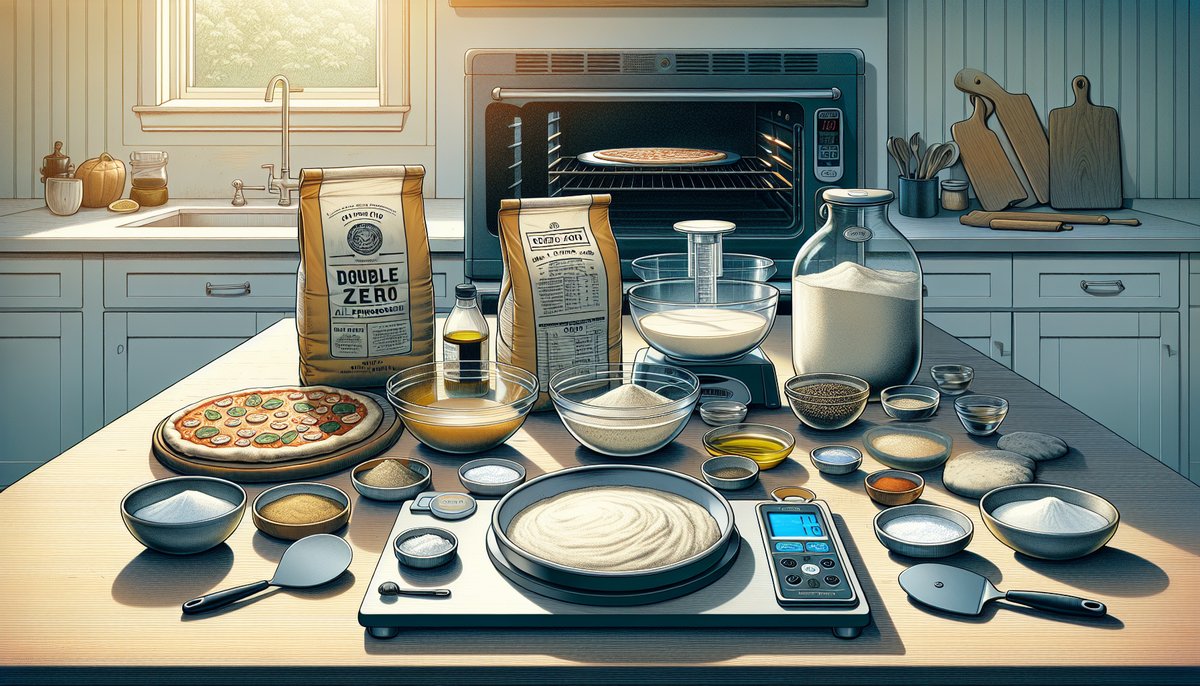
Homemade Pizza Dough: The Reality Behind the Best Techniques
BakingItalian Cooking

Homemade Pizza Dough: The Reality Behind the Best Techniques

Most homemade pizza dough videos claim to have the secret, but few deliver more than the usual flour-salt-yeast routine. The difference is in the small details: ingredient ratios, proofing nuance, hands-on shaping. The best clips don’t just make a dough - they teach you why each step matters and what you’ll actually taste in the crust.

@The New York Times YouTube
Why this clip

The New York Times, with Anthony Falco from Roberta's, gives the rare home dough video that’s actually connected to a working pizzeria. Every step - using both all-purpose and double zero flour, watching the texture as you mix and shape - reveals actual professional practice stripped of lore. The shaping and stretching sequences, in particular, show the subtlety you'd struggle to pick up from written recipes.

@Andy Hay YouTube
Why this clip

Andy Hay is crisp and efficient. He walks through yeast activation, kneading, and balling with the clarity of someone who’s done this repeatedly, but what really sets this apart is the freezing advice - something home cooks ignore at their own peril. He’s not reinventing the wheel, but his workflow is genuinely practical.

@Ryan Michael Carter TV YouTube
Why this clip

Ryan Michael Carter brings discipline and precision to Neapolitan dough. Buffering the yeast from salt with flour is a small but critical maneuver most home guides ignore. The explicit use of a dough tray and attention to two-stage proofing signal technique learned through experience, not just repetition.

@davespizzaoven Instagram
Why this clip

Dave’s Pizza Oven stands out for the methodical approach to a 24-hour dough, introducing the stretch-and-fold technique and windowpane test in a way that actually changes how your crust will turn out. The tip to let sticky dough rest before kneading is the kind of advice you only get from someone who’s been wrist-deep in dough for years.

@The Golden Balance YouTube
Why this clip

The Golden Balance leans heavily on showing, not telling. The windowpane test gets its due, and patience is presented as the unglamorous, essential ingredient missing from most quick dough recipes. For new bakers, this is the rare video that reveals the tactile reality, not just the measurements.

@Taste and Tell YouTube
Why this clip

Taste and Tell offers the ironclad family-dinner guarantee, but also manages to slip in a 'secret ingredient' (details matter - if you want pizzeria crust, don't skip that bit). The sequence using a pizza stone gives you a chance to actually elevate your crust if that's what you're after.

@House of Nash Eats YouTube
Why this clip

House of Nash Eats is your all-in-one 'make it now' option. The instructions are compressed and pragmatic, which sometimes costs a bit of depth, but if you want a reliable pepperoni pizza from scratch and don’t care for 24-hour waits, it’s hard to argue with the results.

@teds_zaza Instagram
Why this clip

Teds_zaza goes deep on fermentation: poolish, sourdough, malt powder, and stretch/folds - all rarely combined in one video. The process is technical, unapologetically so, and is a level up if you're bored of straight-yeast methods. Not casual, but the proofing shots are genuinely instructive.

@Rish | DishbyRish TikTok
Why this clip

DishbyRish delivers a strong poolish-based dough focused on maximizing flavor and texture for the home oven - helpfully breaking down why poolish is a shortcut worth learning. The coil folds are a nice addition, though a bit light on troubleshooting if you hit sticky dough or over-proofing.

@Roice Bethel YouTube
Why this clip

Roice Bethel’s ‘1727’ ratio offers a memory trick and a reliable mixer-based workflow. The video doesn’t dwell on handling or baking, but if you’re looking for a formula that works every single time, there's value in the straightforward arithmetic.

What separates the best

A real throughline in these clips is the gulf between ingredient-led videos and those that pay attention to dough development. The top performers - Falco at Roberta’s, the Neapolitan specialists, Dave’s 24-hour method - highlight hands-on cues: mixing just to combine, stretch-and-folds, windowpane testing. These are the moments that separate a bread-like round from something alive with chew and spring. Techniques like double flour blending, using a poolish or sourdough starter, or practicing cold fermentation add layers of flavor and open up the crust in ways you only discover if someone’s willing to slow down and actually show you.

Meanwhile, the mid-tier clips often prioritize approachability: fewer steps, minimal waiting, shortcuts on mixing. They’re good for the impatient, but often sacrifice either flavor or texture - sometimes both. Genuine innovation shows up in the details: freezing and thawing dough neatly, using a pizza stone, or combining sourdough with malt powder. These are practical, not performative, and they’re usually glossed over in less careful videos.

But whether you want a 24-hour project or something ready for dinner tonight, the signal is clear: pay attention to your dough, not just your recipe. Transitions like kneading, balling, and proofing aren’t just steps - they’re skill checks.

Start by testing a dough that actually demands attention at each stage - windowpane, rest, shape, repeat. Once you know how proper development feels, your pies will deliver on every claim that most clips only gesture toward.