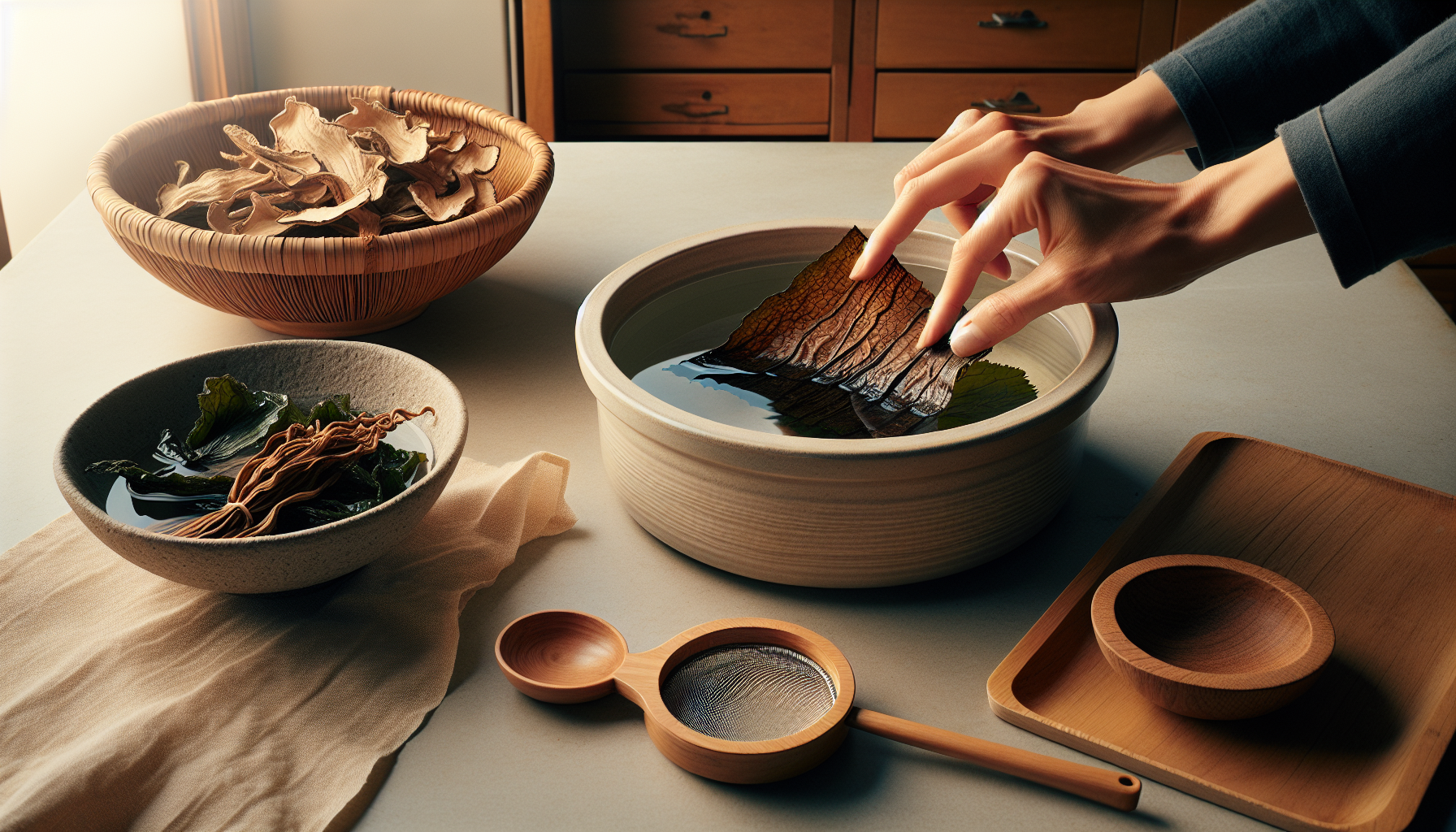
Just One Cookbook sets the gold standard here. You get every major dashi variety, from scratch methods to quick-fix powders, all crisply broken down with ingredient weights, water ratios, and tangible prep tips. Watching kombu get scored, niboshi disemboweled, and shiitake rehydrated – these are not tossed-off steps, but deliberate signals of craft.

Japanese Dashi: Visual Guides to Stock That Shapes a Cuisine
Dashi isn’t just broth – it’s the current that runs through Japanese cooking, surfacing in everything from miso soup to delicate nimono. Most online dashi content barely scratches the surface, either relying on magic-packet shortcuts or flattening technique into generic kitchen noise. The difference is always in the details: ingredient prep, heat control, and how much the creator actually trusts you to care about clarity, flavor, and why method matters.
This is the dashi 101 that doesn’t waste a second. Jesseatthis bundles the five most relevant types, rapid-fire, with clear sequencing and well-paced visual cues. You get the method for packet, granule, kombu, katsuobushi, and shiitake dashi without the fluff or repeating ambient kitchen shots.
Sudachi's step-by-step on awase dashi nails the tightrope between context (why kombu isn’t washed, when to pull) and actionable detail. The double-extraction method (ichiban/niban-dashi) actually makes you reconsider tossing spent ingredients. Subtle callouts on water softness, foaming, and storage elevate this above most English-language guides.
Shota Nakajima efficiently clears up dashi lingo, making it plain why ‘dashi’ defaults to bonito in Japan. The brief demo of bonito extraction is functional, not fussy – you see how little ceremony and how much decisiveness goes into everyday dashi at the stove.
JapaneseCooking101’s video goes the extra step: not just making several dashis, but showing each deployed in real dishes immediately after. There’s a subtle teaching here – how dashi type shapes the character of simmered potatoes vs. clear soups, without lapsing into repetition.
TAON's vegan dashi isn’t content to just swap out katsuobushi and call it a day. You get an honest nutritional riff on kombu, careful overnight soaking, and a disciplined approach to miso (never boiled, for flavor preservation). It’s far more than a ‘vegan substitute’ - the kombu-shiitake pairing stands on its own.
Jason and Angie get hands-on with a homemade-vs-instant comparison. What works: concrete side-by-sides for appearance, aroma, and taste - plus a frank discussion of what instant dashi does (and absolutely doesn’t) bring. If you’re tempted by shortcuts, this is the reality check.
Sudachi’s second entry doubles down on visuals - clear dashi, proper scum skimming, and the understated importance of water softness. The coverage of niban dashi (second extraction) is practical, not romanticized. If you care about precision without turning fussy, this hits the mark.
yukiskitchen delivers a no-nonsense vegan awase dashi by keeping the steps stripped down, but not lazy. The focus on squeezing every bit of umami from mushrooms before rolling on with kombu, and the tip to repurpose ‘spent’ ingredients, signals someone who doesn’t see dashi as a single-use tool.
Joshua Weissman’s lone-for-English approach: shaving fresh katsuobushi live. Yes, there’s irreverence, but you can’t fake the tactile detail here. The assembly of classic miso soup after the dashi is tight and purposeful, barring a few unnecessary gags.
JapaneseCooking101’s other dashi clip is functional with zero pretense - just bonito and water, boiled and strained. It’s a helpful baseline, but the absence of kombu or advanced options limits its value for viewers aiming higher.
This Sudachi tiktok steps through both traditional and modern dashi, with the dashi-bag and granule options offered honestly, not as afterthoughts. Camera work serves the process, and the granule/bag comparisons keep the focus practical for cooks at any buying level.
What separates the best
A great dashi clip isn’t measured by how much stock it makes, but by how precisely (and honestly) it walks you through the details that distinguish depth from dishwater. The top tier in this set - Just One Cookbook, Sudachi, and JapaneseCooking101 - are united by two things: specificity and respect for technique. Whether it’s slitting kombu, handling niban dashi, or the big no-no of boiling after miso is added, you see creators take nothing for granted and avoid padding out the runtime.
Powdered and packet dashi options surface almost everywhere, rarely with snobbery - these guides demonstrate both speed and flavor differences, letting you see (and sometimes taste) their limits. The vegan entries punch above their weight, not content with ‘almost as good’ but proving why kombu and shiitake can compete on their own terms. Shota’s focus on terminology lands; for newcomers, knowing what Japanese cooks mean by “dashi” saves confusion when recipes go unspecific.
If anything drags the weaker clips down, it’s oversimplification. You can boil bonito flakes in water, sure, but that’s skipping the structure that gives dashi its clean finish. And the standout creators never talk down; you’re trusted to see (and taste) the difference.
The next time you stand over a pot, pay attention to temperature, timing, and clarity - those details build dishes, not just stock. Master dashi, and you unlock a whole dimension of Japanese cooking that recipes alone can’t touch.