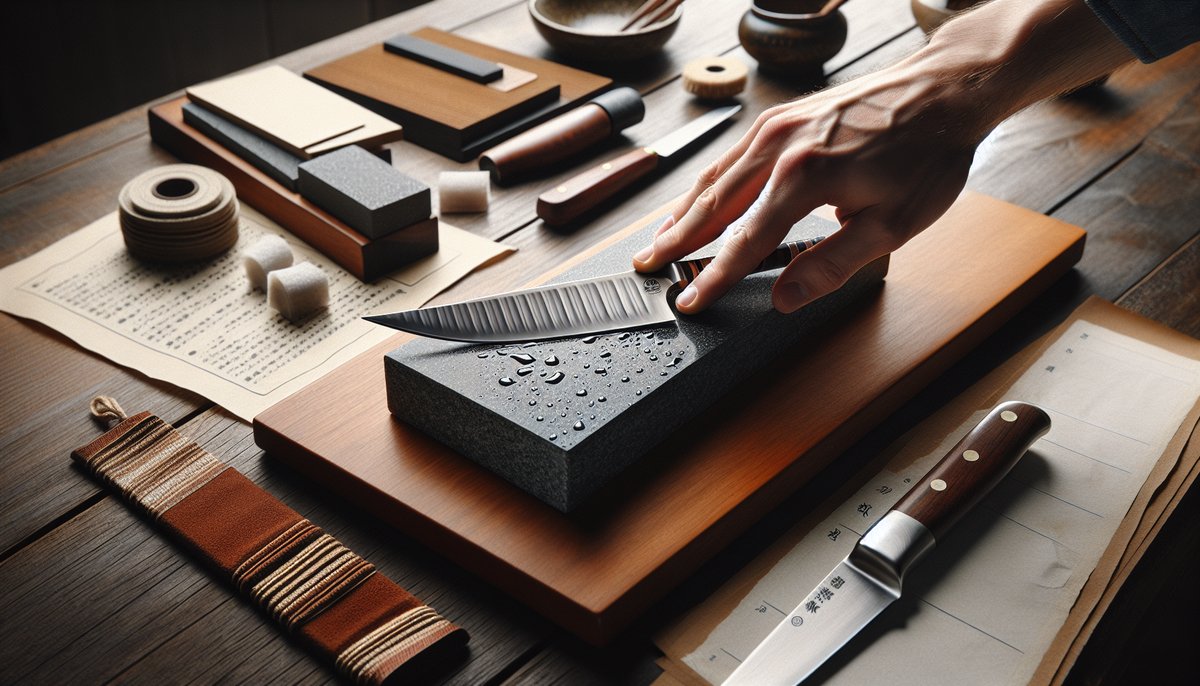
Ryota’s stepwise progression across multiple whetstones is visually meticulous and methodically sound. The push-cut and roll-cut sharpness tests aren’t window dressing - they actually let you see what all the careful grit changes produce. The ASMR polish is almost beside the point: here, you get substance first, aesthetics second.

Knife Sharpening Techniques That Actually Matter: Sharp Edges, Real Skills
Knife sharpening is either a transformative skill or a rote motion, and it comes down to precision. Distinguishing an essential tutorial from lukewarm background content means spotting real technique - consistent angles, tool handling, explicit demonstrations - not vague platitudes about ‘razor sharp results.’ A solid sharpening clip gives you concrete steps, reasons for each action, and lets you see the edge truly change.
Made In Cookware strikes the rare balance between breadth and depth. Showing both double and single-bevel sharpening, marker-line trick for angle finding, and burr feeling - each demonstrated. The narration doesn’t dawdle, and even the strop demo avoids fluff. For once, you get actionable care tips for both Western and Japanese knives in a tight package.
Howcast’s Dan Delavan stays rooted in the basics, but not with a condescending tone. Alternating sides, distinguishing between the coarse and fine grits, and clear why-each-step-matters language keep this one above generic 'how to' fare. Could be tighter, but the method comes through cleanly.
A rarity: step-by-step sharpening by a kid, but with adult supervision and sound advice. Using quarters to find the angle is accessible and clever. The method covers all essential steps - soak, grit progression, angle maintenance, and a real test - but moves fast enough not to bore the already-informed viewer.
Vincent from Korin demonstrates actual working technique - a 'penny trick' for angle, sectioning the blade, fixing your stone flat - rather than rote repetition. The honesty about risk (and an anecdote about mishap) adds weight. The visual clarity is strong, though a slow pace hampers repeat viewing.
Fallow’s walk-through is clean and minimal, making best use of the short format: grit numbers shown, reasons given, and each section of the blade addressed. The focus on angle fidelity is particularly good, though strop and burr aren’t touched.
Susan Feniger is approachable and unpretentious, and she grounds her stone-vs-steel distinction in plain logic - not empty buzzwords. Emphasizing the sanding/grinding concept and 15-degree angle helps, though the overall detail could go further.
Eastern Shore’s use of an angle guide is a strong move for ensuring repeatable results - great for anyone who never trusts their muscle memory. The instruction is actionable, but stops before addressing finer points like deburring or polishing.
Nella Cutlery Canada covers a highly specific, too-often-skipped detail: unrolling a bent edge before honing. That alone makes this more than just another 'drag your knife on the steel' demo. Production is rough, but it fills a real knowledge gap.
What separates the best
Across these clips, the distinction between actual technique and surface-level gestures is stark. The best creators make their process visible: showing not just a sharp blade, but the journey - grit by grit, angle by angle, cut test by test. Clips like Ryota’s or Made In Cookware’s thrive on clear demonstration, building trust because every step is explained and visually verified. Tricks such as the marker line, penny or coins for angle, and systematic sectioning of the blade separate real instruction from improv theatre.
Diversity in context is another strength. Some clips handle the canonical chef’s knife; others wander into Japanese single-bevels or even woodturning with the Tormek. What’s lacking in the weaker entries is either detail (just showing strokes, with no guidance on why), or failure to address edge finishing - a frequent amateur oversight.
Subtle, less glamorous skills - unrolling a bent edge, or keeping stone maintenance front and center - signal a creator who sharpens as a habit, not a performance. In the best clips, sharpening is demystified: the tools, movements, and tests aren’t just rituals, but reasoned stages with clear effect.
Sharpening is only useful if you can reproduce results - so focus on angle consistency and real sharpness tests, not just ritual. With practice, each session takes you closer to knife control that shows up in every cut.