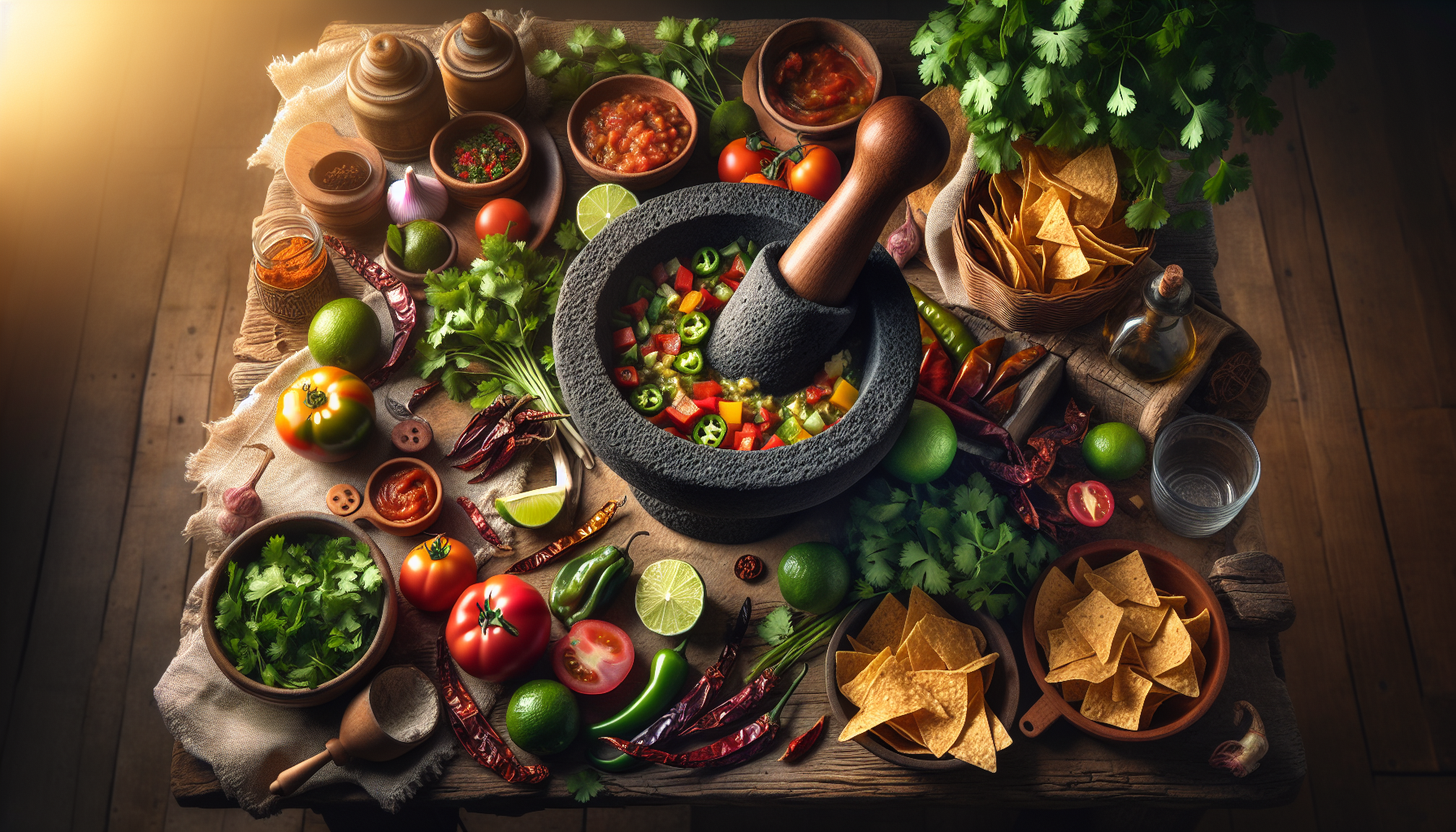
Mexican Salsas: The Clips That Actually Teach You Something
mexican salsas

Mexican Salsas: The Clips That Actually Teach You Something

Salsa should be more than an afterthought. The best online clips do more than show ingredients tossed in a blender - they reveal why it works, how small details shift flavor, and what technique looks like when it’s handled properly. If a clip just recites ratios, move on. These clips actually show you something.

@Jose.elcook YouTube
Why this clip

Jose.elcook anchors his salsa in the molcajete - both literally and culturally. The roasting is meticulous, the sequence deliberate, and his use of ancho chile in a green salsa is a rarity online. The addition of homemade tortilla chips, seasoned with actual acidity, puts most 'throw-it-in-the-processor' tutorials to shame.

@Yascocina🥘 TikTok
Why this clip

Yascocina jumps straight to the fire: her tatemado technique is handled on-screen, not just mentioned. Watch how she handles chile de árbol - no hesitancy - and her visual clarity on blending ratios is tighter than most full-length YouTube efforts. This is how you teach roasting.

@MARLEN ❤️ TikTok
Why this clip

MARLEN doesn't oversell her salsa verde, but the clipped pace and clear shots deliver real value. Charring tomatillos and tomatoes together is the kind of small, practical detail that makes a difference in flavor and texture. The on-screen instructions are no-nonsense and direct.

@Love Kari Cooking YouTube
Why this clip

Love Kari Cooking's salsa taquera is unapologetically spicy, and her choice to fry not one but two types of fresh chile with tomatillo is distinctive. The method is shown unedited: a real pan, hot oil, honest timing on the cook. If anything, her warning about spice is welcome honesty you rarely see.

@ArnieTex YouTube
Why this clip

ArnieTex treats salsa as a field, not a formula. He lays out three habanero routes, from pico de gallo to a full emulsified scorcher. There’s no wavering on technique - he boils, sautés, and mixes with purpose. The sunglasses gag is a microsecond; the bulk is pure process and explanation.

@ArnieTex YouTube
Why this clip

ArnieTex again - this time with the dried chiles. The focus on toasting (not burning) dried peppers, then blending distinct salsa rojas, gives structure to a confusing part of salsa lore. He calls out the flavor and heat differences, which is essential since the dried chiles market is a minefield.

@Here’s Your Bite TikTok
Why this clip

‘Here’s Your Bite’ earns attention by merging tomatoes and tomatillos in the pan - a move that sharpens acidity and softens sweetness. The char is visible, the blend is short, and the advice to use chicken bouillon is practical, not precious. Fast, but not superficial.

@Freddsters TikTok
Why this clip

Freddsters knows what most spicy-salsa content gets wrong: clarity on chili choice. Charring, sautéing, and the option of chile de árbol all packed into a minute. The tip on tomato bouillon isn’t traditional, but he states it clearly - every ingredient choice is front-and-center.

@Villa Cocina YouTube
Why this clip

Villa Cocina does a rare thing: uses the same ingredient set, but prepares salsa both in the molcajete and in the blender. The comparison is visual and textural, not hand-waved away. For viewers who want to understand why a tool matters, this is the rare online demo that delivers both styles, plainly.

@Freddsters YouTube
Why this clip

Freddsters' verdant salsa verde isn't about flash. He pan-roasts, times his additions, and explains how to tune heat. His rationale for chicken bouillon is direct, and the process prioritizes clarity - ingredient choices, seasoning, and finish are all easy to absorb.

@Love Kari Cooking YouTube
Why this clip

Love Kari Cooking’s roja taquera lays out frying both fresh and dried chiles, with a clear simmer before blending - details too often glossed over. The sequence is correct, and the final blend brings both heat and depth. If you want a classic street taco salsa, this gives you the actual moves.

@Isabel Eats YouTube
Why this clip

Isabel Eats underscores the importance of char, not just color. Blackening over broiler or open flame is literal and shown; the blend to a punchy, family-style salsa is neither rushed nor overprocessed. Calling out the role of a particular salsa on the Sunday table is a subtle truth-chord.

What separates the best

The top clips share a commitment to showing, not just telling. Roasting and charring techniques get close-up treatment, and creators aren’t afraid to balance tradition with practical shortcuts. The best salsa content puts the molcajete and the pan on camera - it’s the sound of roasted tomatillo skin splitting or the sizzle of oil on hot chilies that tells you the clip is using real heat, not just metaphorical spice.

What’s striking: variety within a narrow tradition. You see salsa verde pan-roasted, fried, charred, boiled, even compared ingredient-for-ingredient in both molcajete and blender. Red salsas go from faintly sweet to eye-watering depending on fresh vs. dried chilies and how long that flame lingers. Details like the use of chicken or tomato bouillon, frying fresh alongside dried chiles, or blending just to pulse (not puree to soup) distinguish those actually making salsa for a real table - not just for views.

Texture gets rare attention; very few creators lay out why molcajete crush matters, or how a quick pan-fry changes depth. There’s less filler here than in most recipe spaces - no one is coy about spice levels, ingredient flexibility, or shortcut tactics. These are clips by people who want you to cook, not just gawk.

Practise roasting until the aroma catches in your kitchen, then try both blending and hand-crushing. Salsa skill is the gateway to everything from perfect tacos to a table worth returning to. Get your hands on real chilies and start tasting the difference.