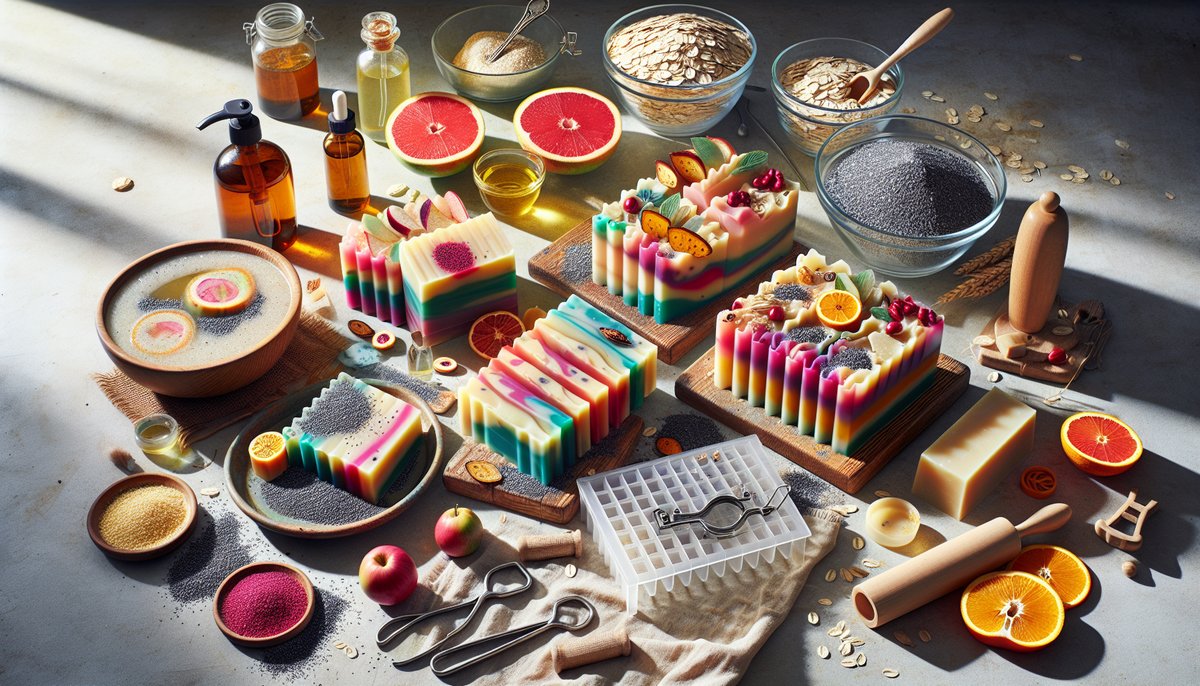
Yeva Berez leverages melt-and-pour to create a soap that’s both visually precise and clever in design. The poppy seeds as faux 'dragon fruit' seeds are an elegant detail you don’t see in formulaic soap reels. Every step’s decision - color balance, pour speed, and layering - gets enough screen time to actually follow, yet she resists the trap of overexplaining or padding the flow.

Soap Making: Distinction in Design and Technique
Soap making clips are everywhere, but genuine value comes from creators who push beyond surface-level aesthetics or rote steps. The best clips don’t just parade colorants and molds - they make technical choices visible, expose the logic of ingredient combinations, and show control over form. That line between a trendy pour and a purposeful technique is where actual insight lives.
Victoria Ortega's heart soap is brisk, cleanly shot, and refuses to get bogged down in distractions. Double fragrance application - lotus and passion fruit - signals a nice awareness of finish, and use of a pillar mold (secured with clips rather than the more typical shapes) adds subtle engineering. It’s simply crafted but attentive in every move.
Alexia Maria aims for maximalism: the 'strawberry matcha' concept uses soap straws, 'ice cubes', and layered textures, genuinely pushing beyond the default look. Does every visual detail land perfectly? No, but the ambition beats another row of rectangles, and the assembly instructs without losing pace.
SpicyMoustache distills soap making to fundamentals - cut, melt, stir, pour - but keeps it open-ended through ingredient swaps like oats, calendula, and coffee. There’s honesty in showing the double boiler and in listing actual pricing, which grounds the process for anyone skeptical about 'DIY' economy. All substance, no empty lifestyle filler.
anaaster_ sticks closely to the melt-and-pour script, but finds some spark in clean color separation for the watermelon theme. There’s little innovation, yet the color layering is direct and replicable. It teaches by clarity, not novelty.
grace hewitt brings in poppy seeds for real exfoliation and shows lather, not just surface texture. The watermelon pattern is handled with less finish than in some top clips, but the technique breakdown is practical. A good bridge between the decorative and the functional.
Royalty Soaps veers toward the decorative: confetti embeds, swirling, glitter. It appeals if you want showmanship over utility, though the narration gets self-referential at times. Some steps, like 'soap cane' embedding, introduce concepts often skipped elsewhere, but could use tighter edit or visual guides for newcomers.
Black Swan Soapworks is ambitious with technical detail - the Taiwan Swirl needs a custom divided mold, and the later horizontal cut reveals a cross-section most soap clips ignore entirely. The process isn’t beginner-friendly, and the in-clip commentary about leaks and workarounds is refreshingly honest. Not flashy, but for the curious, it’s one of the most technically useful clips here.
What separates the best
The top-ranked clips have one thing in common: clarity of intent. Whether it’s Yeva Berez’s dragon fruit motif with its seed mimicry, or Alexia Maria’s over-the-top ‘strawberry matcha’ with every garnish rendered in soap, ambition and attention to process separate standout creators from those who mostly chase seasonal trends. Melt-and-pour dominates, yet how it’s used reveals real differences - SpicyMoustache demonstrates that ‘natural’ isn’t code for bland, while Victoria Ortega and anaaster_ focus on making small adjustments that matter: fragrance choices, mold types, color blocking.
Layering and textural contrast are favored, but relatively few clips give more than lip-service to technical challenge. Black Swan Soapworks and Royalty Soaps buck the trend: divided molds, swirling, embedding shavings and canes - these aren’t just visual stunts, they’re techniques that expand what a home soap maker can attempt. Most clips avoid the chemical complexity of cold process, suggesting that accessibility trumps depth in viral formats, yet the best creators don’t let format dictate the sophistication of their method.
Weaknesses surface where creators slip into generic workflows or opt for style without explaining substance. The difference isn’t always in finish; it’s in whether the process feels inevitable, shaped by clear decisions, or just another decorative echo.
If you want to get past surface-level soapmaking, start experimenting with additive placement and custom molds. Watch carefully not just for color, but for the real logic behind each pour - that’s where the skill (and the satisfaction) begins.