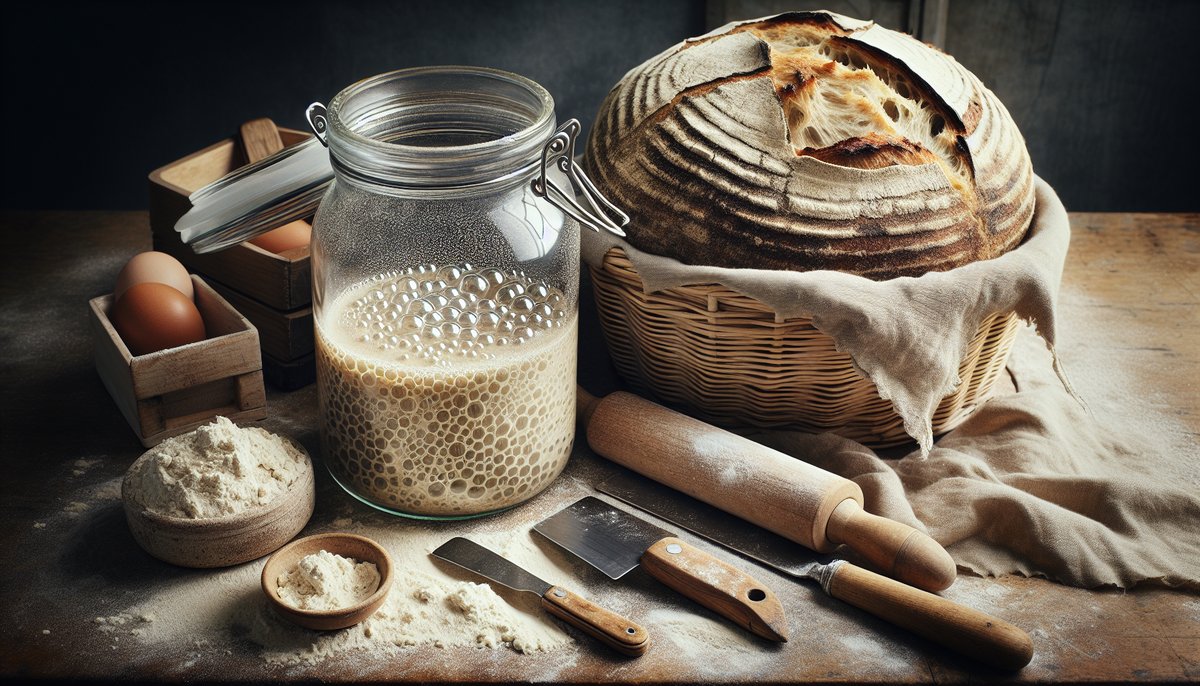
The Regular Chef provides a context that most clips skip: what makes sourdough distinct, historically and chemically, from 'normal' bread. This perspective is refreshing, clarifying sourdough's origin as a method - without turning it into a lifestyle brand.

Sourdough Bread Techniques: What Actually Moves the Needle
Sourdough advice is everywhere, but real progress comes from creators who cut through mystique and show the mechanics up close. The difference between a clip you’ll reference and something you skip is often in what the camera lingers on: dough structure, crumb reveal, the way a hand shapes. Technique shown beats technique mentioned every time.
Bake with Jack puts an end to starter waste with a calmly radical method: use nearly all your starter, leave only the residue, and feed it when you need it. What sets this apart is the matter-of-fact refusal to perform the formulaic 'discard ritual' - you see how little fuss sourdough needs when approached without baggage.
Avalon works through a same-day sourdough loaf with unvarnished, real-time clarity. Every step is explicit, from hydrated starter to final bake, and nothing is prettied up or rushed. The focus on 'getting close enough' to measurements is both honest and empowering - a true guide for those tired of rigidity.
Alexandracooks nails two things too many skip: cooling bread fully and actually showing why that matters for crumb texture. The handling of cold dough, straightforward scoring, and the real crumb unveiling make this essential viewing. No posturing, just the practical finish of a complete method.
Sourdough_enzo delivers a genuinely novel scoring technique: the 7-minute score, where the expansion cut comes mid-bake. This is the sort of move you only see after a lot of ruined designs, and the clip doesn't rush through it - it draws the viewer's eye to exactly when and why the cut matters.
IRINNARIKHARD gives a rare, complete walk-through of the pre-bake phase. Stretch-and-fold details are neither skipped nor over-explained, and the shaping progression is demystified visually. The staging doesn't distract - just honest, tactile breadmaking for learners who want to see hands and dough, not talking heads.
Thatsourdoughgal lets imperfections and corrections stay in the edit - preshaping for both batard and boule, including errors and adjustments, is real learning. The use of a bread steel and dome is less common and the crumb reveal at the end is proof that process matters. A lot of technique, zero ego.
Jess (Wheat Culture Sourdough) gives a silent but definitive answer to 'is my starter ready?' - bubbles, luster, elasticity, all right there in the stir. It's not 'cinematic' but it is visually instructive for anyone guessing if their culture is active enough. Function over entertainment, the right call here.
Sourdough_explained breaks scoring for an ear into three precise actions, focusing on blade angle and order. The explanation is direct but the main value is in seeing the actual hand motion and result, sidestepping the vague tips common on this subject.
Anneliese Manis makes advanced scoring accessible - using a stencil for flour application, then showing precise blade work for a butterfly motif. Not everyone wants a butterfly on their loaf, but the process detail is gold for anyone aiming beyond basic slashes.
Wendy the Food Scientist lays out five actionable fixes with before-and-after evidence. Autolyse and starter maturity are emphasized, but just as valuable are the admission of past mistakes and the focus on measurable changes - a rare combo of humility and precision.
30minutefoodie focuses on scoring visuals: flour contrast, cold dough, and tool choice, including some useful scissor maneuvers. The lack of spoken instruction actually aids focus here - this is for the observer, not the note-taker.
What separates the best
A real sourdough tutorial respects your curiosity and rewards close viewing. The best clips in this set, like Bake with Jack and Alexandracooks, trust that you’ll spot what matters if it’s put plainly before you - no staged drama or romantic metaphors. Hands-in-dough learning, sometimes blemished but always instructive, trumps the kind of content that only gestures at technique.
Key differentiators? Honest visuals, actual method shifts (the ‘scrapings method’, mid-bake scoring, autolyse discipline), and, critically, the willingness to show mistakes or at least the less-glamorous steps. It’s striking how often the best creators opt for camera angles that prioritize fermentation bubbles, dough elasticity, blade placement, or crumb exposure over their own face time. Even decorative scoring, when done well (see Anneliese Manis), is anchored by process, not showmanship.
Weak links tend to focus on style or repeat the same ‘sourdough journey’ platitudes, while the top entries zero in on details you’ve likely gotten lost on before. There’s no ‘secret’ to great sourdough, but there is a pattern: direct demonstration, tightened focus, and creators who make clear that every technique was once an experiment they got wrong first.
If you want bread that improves, start with a method you’re willing to stick with, not one you think you should. Shape, cut, and bake in real conditions, then compare your crumb with what you see here. Repeat, revise, and you’ll turn the clips from inspiration into habit.