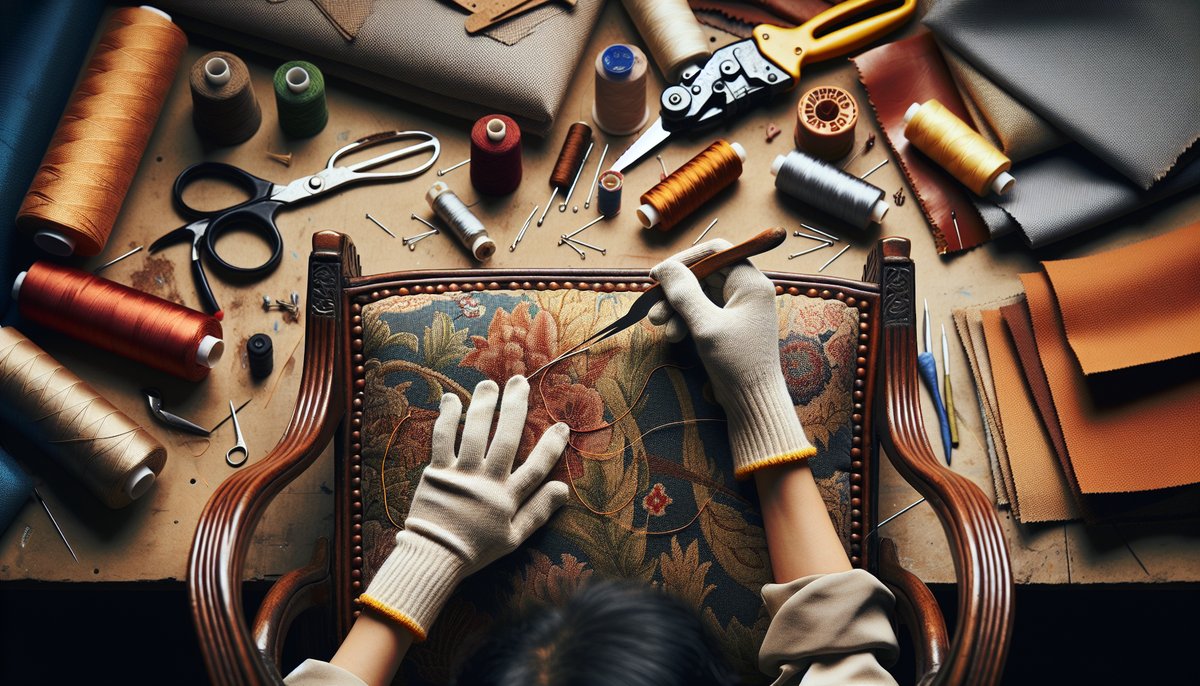
Precision Repairs: The Upholstery Techniques That Actually Work
Furniture

Precision Repairs: The Upholstery Techniques That Actually Work

Upholstery repair lives in the small details - whether you’re sealing a torn seam or restoring a battered car seat. Plenty of videos promise easy fixes, but the valuable ones zoom in on specific technique and process with enough fidelity that you could copy them, flaws and all. Real expertise shows up in stitch placement, fabric tension, material choices, and - crucially - in what isn’t glossed over.

@Josh Diaz YouTube
Why this clip

Josh Diaz’s methodical demonstration of the double blind stitch is a rare combination of close-up clarity and technical precision. He doesn’t skip the thread choice or how to angle the curved needle - details that prevent amateur mistakes. The result is a seam repair indistinguishable from new, not just 'good enough.'

@ATG - Premium Car Care & DIY Repair Kits YouTube
Why this clip

This ATG clip is one of the few that gets color matching right for burn hole repairs. Watching fibers extracted, flock blended, and textures replicated isn’t just visually satisfying - it unpacks what separates a nearly invisible fix from every 'quick patch' hack that falls short a week later.

@Leather Repair Company YouTube
Why this clip

The Leather Repair Company does two things most 'leather patch' videos skip: reusing original stitch holes for integrity, and tightening each saddle stitch as it's formed. This is about structural repair, not just appearance, and they're transparent about the necessary tools and their limits.

@Comfort Works YouTube
Why this clip

Comfort Works sticks to basics - a torn slipcover, fusible interfacing, and a household iron - but executes with rare efficiency. The advice about matching interfacing color is something most would learn only by error; this kind of minor note signals a creator who’s done the work themselves.

@Buddy's Upholstery YouTube
Why this clip

Buddy’s Upholstery tackles the least-forgiving part of any chair: the inside cut-out corner. There's no hand-waving, just focused pleating and stapling, plus a bit of real-world commentary about where to apply tension and where to expect the most trouble. It's very much the voice of someone who still has glue on their fingers.

@MG Upholstery Studio TikTok
Why this clip

MG Upholstery Studio delivers the meditative rhythm of real repair - steady hand-blind stitching and purposeful stapling. No over-produced edits, just the core process as it actually happens. You see which corner gets priority and why, which is more than most can say.

@ALO Upholstery YouTube
Why this clip

ALO Upholstery’s step-by-step is thorough, moving from batting to leather stretch to the all-important dust cover. The sequence isn’t rushed, and you get a practical sense for material order - critical to avoid lumps and the perennial 'why doesn’t mine look right' outcome.

@Max Huberty YouTube
Why this clip

Max Huberty’s run-through of ladder stitching is tidy and direct. He takes care with thread tension and placement, turning an amateur-prone task into something even a first-timer could follow. No wasted movement, no feints toward home-ec nostalgia.

@Family Handyman YouTube
Why this clip

Family Handyman's vinyl repair avoids easy miracles and gets into compound application, blending, and why alcohol on the edges matters. It's a straightforward example of when 'kit' repairs can actually yield clean, lasting results - provided you follow each prep detail.

@LeatherSeats.com YouTube
Why this clip

LeatherSeats.com goes deeper than re-covering: foam shaping, adhesive selection, even vacuum tricks for a smooth re-fit. This is the rare car seat video where at no point do you think, 'I could’ve guessed that on my own.' The craftsmanship shows in the prep, not just the splashy end shots.

@The Upholstery Studio YouTube
Why this clip

The Upholstery Studio’s restoration montage covers the whole arc - stripping, webbing, horsehair fill, and true hand stitching. It's a high-level overview, so don’t expect tool-by-tool instruction, but it’s one of the few to celebrate tradition without romanticizing it. Every misstep and course correction is implied in the pacing.

@Recoat TikTok
Why this clip

Recoat’s quickfire transformation uses techniques (airbrush dye, masking) you won't find in a budget kit. The final surface impresses, but some steps - surface prep especially - beg for more detail. Still, it’s a compelling snapshot of what contemporary leather recoloring can actually look like.

What separates the best

Across the best upholstery repair clips, technique is king. The standouts combine clear tool choices (curved needle, bonded nylon, flock, interfacing) with a willingness to get uncomfortably close to failure points: torn seams, awkward corners, burned or worn fabric. The strong hand-stitching clips don’t just preach ‘invisible repairs’ but deliver them through practiced tension, precise knotting, and zero reliance on shortcuts.

Burn hole and vinyl repairs distinguish themselves with attention to materials science: it’s not about filling holes, but about replicating texture and color so the fix vanishes - an easy claim, rarely pulled off well. Restoration- and reupholstery-focused videos give useful glimpses of sequencing and layering, even if they lean more summary than granular how-to.

The least compelling entries gloss over prep, skip decision-making, or assume that kit-labeled steps somehow replace judgment. What sets the best apart isn’t secret sauce - it’s the discipline of real process, the confidence to let viewers see risk, and the humility to show what doesn’t work before what does.

Build your muscle memory on controlled seams and small burn repairs before tackling a whole chair or car seat. Every hour you put into tension, placement, and material matching yields not just better furniture, but sharper creative judgment.